🛠️ Key Skills & Details That Define Professional Quality
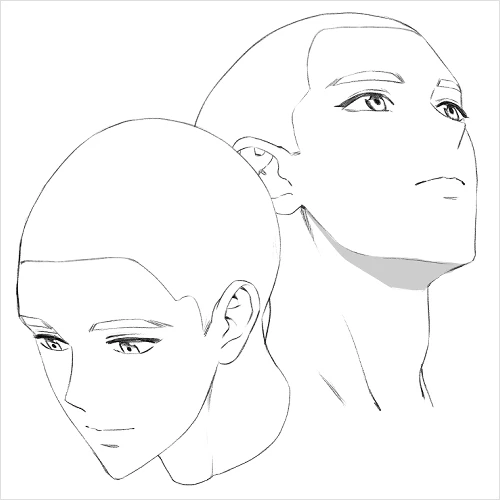
When aiming for that professional polish in anime-style illustrations, mastering light interaction is key. It’s not just about technical execution, but also about understanding the why behind the effects.
- Subtle Shading First: Always start with your diffuse reflection (basic shading). For darker or less reflective materials, this shading can be quite subtle, with low brightness contrast. For lighter or more vibrant materials, you’ll naturally have more noticeable stages of light and shadow. Remember, even dark materials have subtle form shadows.
- Layering is Your Best Friend: Use layers religiously. A ‘Add Glow’ layer or similar blending mode is fantastic for highlights that need that extra pop and saturation. Use separate layers for highlights and reflected light to maintain control and make adjustments easier. This allows you to fine-tune the intensity of each element independently.
- The Reflective Surface Matters: The color and material of the surface reflecting the light directly impacts the reflected light’s color. A white floor will cast a neutral reflected light, while a red carpet will cast a reddish ambient light. Pay attention to these subtle color shifts to add depth and realism.
- Highlight Borders: For a strong specular reflection, the border of the highlight can be very sharp, almost like a hard edge. For softer, more natural materials like leather, the highlight border is often softer and more diffused, blending more into the diffuse reflection. Referring to real materials is the best way to nail this.
💬 Frequently Asked Questions
Q. Illustrator Macciatto, when drawing shoes with a dark color, is it okay to skip the initial diffuse shading?
Yes, for very dark or black objects, the subtle diffuse reflection might not be noticeable, especially in styles like cel shading. You can often skip this step to save time, but if your style demands more detail, feel free to include it as usual.
Q. Illustrator Macciatto, what’s the best way to draw reflected light without making it look too strong?
The key is to remember that reflected light is always weaker than the primary light source. Use a less intense color, apply it on a separate layer, and consider the color of the surface it’s bouncing off. If it feels too bright, dial down the layer’s opacity or choose a more muted color.
Q. Illustrator Macciatto, how can I make my illustrations feel more three-dimensional using light?
Focus on the interplay between specular and diffuse reflections. Use your diffuse reflection to define the object’s form and volume. Then, strategically place your specular highlights and reflected light not just to add shine, but to emphasize the object’s curves and planes. Always remember that light implies shadow, and a well-placed shadow will enhance the three-dimensionality of your highlights.
👉 Want to Go Deeper?
Want to dive into the detailed breakdown of these techniques and see Macciatto’s process step-by-step? Explore the full curriculum to unlock all the secrets to creating stunning, light-filled anime illustrations.