Mastering Atmospheric Character Art: Illustrator marumoru’s Core Techniques
🧐 Frustrated with Flat Character Art? Your Workflow Might Be the Missing Piece

You follow every step, yet the result still feels… off. That’s a common pitfall when aiming for compelling, atmospheric character illustrations. The truth is, it’s not just about artistic flair; it’s about a structured approach to efficiency and understanding the underlying principles that make art resonate.
💡 3 Pro Tips from Illustrator marumoru to Level Up Your Illustrations
1. Integrate Anatomy with Purpose: Beyond Just Form
Principle: True mastery of anatomy isn’t about memorizing every bone. It’s about understanding how movement and form interact to create believable poses. Marumoru emphasizes leveraging knowledge from physical therapy to grasp joint range of motion and kinematic principles. This allows for natural posing and dynamic character expression, even when stylized.
Method: Focus on the why behind a pose. Instead of just copying a reference, understand the underlying skeletal structure and how it would move. When posing, consider the “end feel” – the sensation at the limit of a joint’s range. This nuanced understanding translates into more convincing character actions and postures.
Insight: It’s not just about learning the technique — it’s about shifting how you think about anatomy from a static blueprint to a dynamic system.
2. The Efficiency Hack: Smart Practice for Busy Artists
Principle: Time is the ultimate constraint for most artists. Marumoru, having transitioned from a different profession, highlights the critical importance of efficient practice. Self-analysis and structured planning are key to maximizing limited drawing time.
Method: Develop your self-analysis skills by using tools like a chart to objectively evaluate your work. This allows for a top-down and bottom-up approach to identify practice priorities. If you have limited time, knowing what to practice and why is more crucial than simply putting in hours. This structured approach ensures consistent, efficient improvement.
Insight: Make time for practice, and then make that practice count by being ruthlessly efficient with your self-assessment.
3. The Atmospheric Edge: Elevating Your Art with Subtle Adjustments
Principle: Creating an atmospheric illustration goes beyond just rendering details. It involves a cohesive integration of color, light, and composition, often achieved through thoughtful final adjustments.
Method: After the main rendering, leverage tools like Photoshop’s Camera Raw filter and Gradient Maps for final touches. Camera Raw can intelligently adjust tone, sharpening, and even add subtle grain for texture in a single pass. Gradient Maps offer a powerful way to unify colors and shift the overall mood or season of an illustration with minimal effort. Apply these effects subtly, often at low opacity (around 5-10%), to enhance rather than overpower the original artwork.
Insight: This one tweak — leveraging post-processing filters thoughtfully — can seriously level up your output quality by adding depth and atmosphere.
🛠️ Key Skills & Details That Define Professional Quality
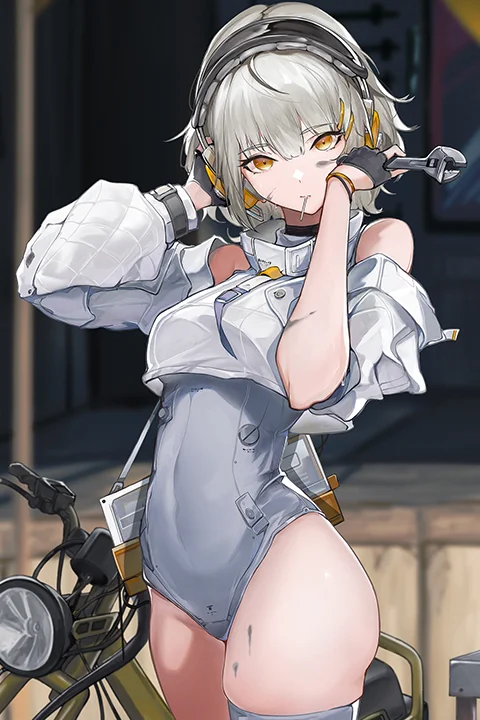
Beyond the broad principles, professional illustration hinges on meticulous execution of details. Marumoru’s process highlights the importance of:
- Line Art Precision: When creating line drawings from rough sketches, focus on controlling line weight and density. Different line styles can effectively convey material textures (like fabric or metal) and add visual interest. Experiment with brush settings and stroke variations to achieve a polished look.
- Color Harmony and Mood: Understanding color theory, particularly the laws of primary and shadow colors, is fundamental. Marumoru demonstrates how to use the color wheel to inform shadow placement and how subtle color adjustments, even with a Gradient Map at low opacity, can drastically alter an illustration’s mood and atmosphere.
- Material Texture Rendering: Whether it’s the sheen of metal or the softness of fabric, capturing texture is vital. This involves not only understanding how light interacts with different surfaces but also how to translate that into brushwork and color application. Paying attention to the “information inside the contours” during the line drawing stage sets a strong foundation for effective texture rendering later on.
- Layer Management for Flexibility: Utilizing layers effectively, especially for corrections and additions during the final stages, provides crucial flexibility. This allows for experimentation with effects like sharpening or color overlays without irrevocably altering the base illustration.
💬 Frequently Asked Questions
Q. Illustrator marumoru, what is the most important factor for a beginner to improve their illustration skills efficiently?
A. Illustrator marumoru suggests that the most crucial factor is developing strong self-analysis skills. By using objective evaluation methods, artists can identify specific areas for improvement and prioritize their practice time effectively, leading to more efficient skill development rather than random practice.
Q. Illustrator marumoru, how can I make my character illustrations more atmospheric and engaging?
A. Illustrator marumoru advises focusing on the preparatory stages, particularly material gathering for composition and mood setting. they emphasize that a strong collection of references directly impacts the final artwork’s quality and atmosphere. Additionally, subtle adjustments with filters in post-processing can significantly enhance the overall mood.
Q. Illustrator marumoru, what are some practical tips for drawing natural character poses based on anatomy?
A. Illustrator marumoru recommends understanding the fundamental principles of joint range of motion and kinematic theory. By knowing how the body naturally moves and the limits of its joints, you can create more believable and dynamic character poses, even when deviating from strict anatomical accuracy for stylistic reasons.
👉 Want to Go Deeper?
<