Mastering Elegant Line Art: From Sketch to Stunning Illustration
🧐 The Frustration of Uninspired Lines
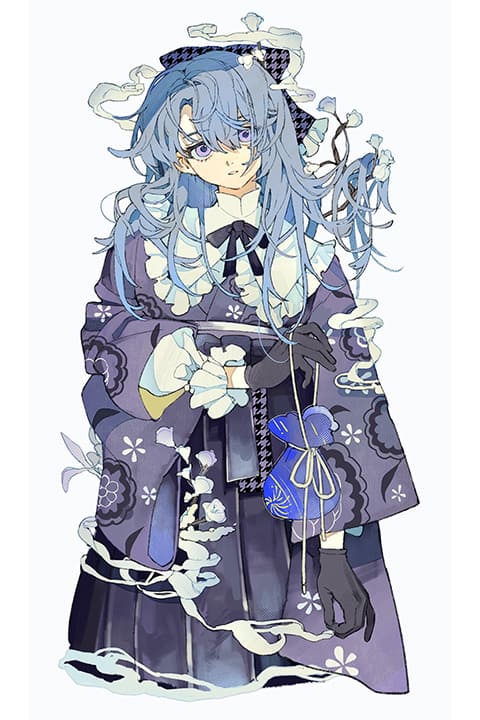 You’ve got a great idea, a rough sketch that feels promising, but the transition to clean, impactful line art feels like a constant uphill battle. Lines end up looking muddy, losing their intended elegance, and the final piece just doesn’t pop. This isn’t about a lack of effort; it’s about missing key insights into the line art process itself.
💡 Three Pillars of Mesmerizing Line Art
This approach focuses on building a strong foundation from the start, ensuring each line contributes to the overall appeal and clarity of your illustration.
1. The Power of the Pre-Rough Sketch
It’s not just about quickly sketching; it’s about strategic ideation. Before diving into detailed drawing, spend time defining your themes and motifs. This foundational step prevents aimless drawing and ensures every element serves the illustration’s narrative and mood. Think of it as building a blueprint before laying bricks.
2. Refining Your Sketch for Clarity
Transforming a rough sketch into polished line art requires a deliberate approach. Focus on identifying the core elements and composition early. Illustrator moca emphasizes drawing two types of rough sketches: one for overall composition and another to refine details. This dual approach ensures you’re not just cleaning up lines but actively strengthening the illustration’s structure.
3. Color Harmony for Line Art
Choosing colors that complement, rather than overpower, your line art is crucial. The goal is to preserve the beauty and clarity of your lines. This involves understanding color theory not just for filling areas, but for how colors interact with linework, enhancing depth and guiding the viewer’s eye without obscuring the carefully drawn details.
🛠️ Key Skills & Details That Define Professional Quality
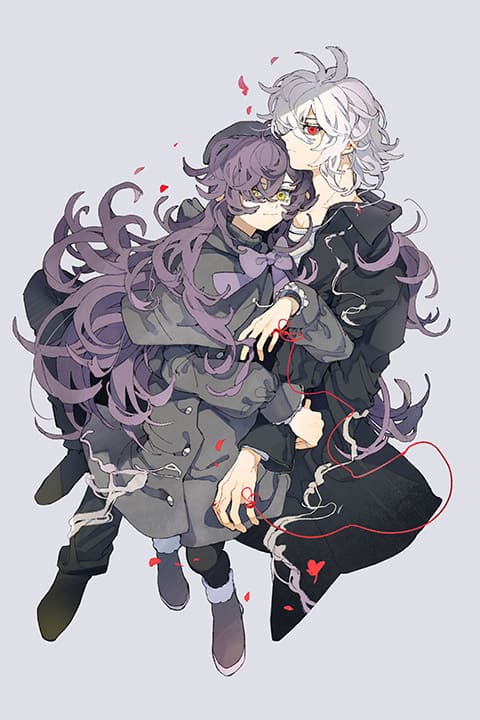
Elevating your line art goes beyond basic drawing. It’s about understanding the subtle nuances that make illustrations truly professional.
Brush Control and Line Weight: Mastering different brush types and varying line weight is fundamental. A thicker line can define a silhouette or create emphasis, while a thinner line can add delicate details or suggest depth. Experimenting with pressure sensitivity allows for dynamic lines that mimic natural drawing. This isn’t just about making lines; it’s about making lines that communicate.
Motif Integration: Learning to seamlessly integrate motifs, whether they are floral elements, fabric folds, or character accessories, is key. This involves understanding how to draw these elements consistently with the overall style and ensuring they enhance, rather than distract from, the main subject. Practice drawing specific textures and forms repeatedly to build muscle memory and stylistic consistency.
Mood and Atmosphere: The line art itself contributes significantly to the mood. Clean, sharp lines might convey a sense of order or modernity, while softer, more organic lines can evoke warmth and nostalgia. Understanding how line quality impacts the viewer’s emotional response allows you to intentionally craft the desired atmosphere for your illustration from the very first stroke.
💬 Frequently Asked Questions
Q. How do I decide which motifs to include in my illustration?
Illustrator moca suggests dedicating time to ideation before drawing. Brainstorm various themes and elements that align with your illustration’s intended mood and subject matter. Consider what visual elements will best tell your story and create the desired atmosphere.
Q. What is the most common mistake beginners make when turning a sketch into line art?
A frequent pitfall is rushing the process and not dedicating enough time to refining the sketch before finalizing the line art. This often leads to inconsistencies in line weight, awkward linework, and a loss of the original sketch’s energy. Taking the time to create a clear “pre-rough sketch” is essential.
Q. How can I make my line art more engaging without adding too much color?
Focus on the quality and variety of your lines. Experiment with different line weights, incorporate subtle texture, and pay attention to how your lines flow and interact. The way you render details like hair, clothing folds, or decorative elements can significantly enhance visual interest, even in a monochrome illustration.