Stylizing Real Life Objects for Anime Art: Beyond the Basics
🧐 The Struggle to Translate Realism into Captivating Anime
 There’s a common hurdle for many artists: you meticulously study real-life references, but when you try to apply those principles to your anime characters, something feels off. The result is often stiff, or worse, a jarring disconnect between the source material and your stylized output. Mastering this translation is crucial for creating art that not only looks good but also feels alive and professional.
💡 Mungduck’s Core Principles for Stylized Realism
1. Bridging the Gap: From Photo to Character
This isn’t just about copying. It’s about understanding the underlying structure of real-life objects and anatomy, then consciously deciding how to simplify, exaggerate, or adapt those elements for your anime style. Mungduck emphasizes using reference photos not as rigid templates, but as a foundation to build your stylized interpretation. This involves dissecting features like proportions, muscle flow, and even subtle expression nuances, then reinterpreting them through the lens of your chosen anime aesthetic.
2. The Art of the Appealing Rough Sketch
Before any rendering, the rough sketch dictates the entire illustration’s success. Mungduck highlights that an appealing rough sketch is built on strong theories of design and composition. This means thinking about silhouette, gesture, and the overall flow of the character. Don’t just draw what you see; draw what conveys personality and dynamism. Experiment with different poses and angles early on to find the most engaging starting point.
3. Consistency is Key: Building Lasting Appeal
For professional illustrators, drawing consistently high-quality work is paramount. This course delves into methods for maintaining that stable appeal across multiple pieces. It’s about developing repeatable processes and a clear understanding of your own style’s strengths. Mungduck shares their approach to ensuring each artwork carries inherent interest, making your portfolio robust and reliable.
🛠️ Key Skills & Details That Define Professional Quality
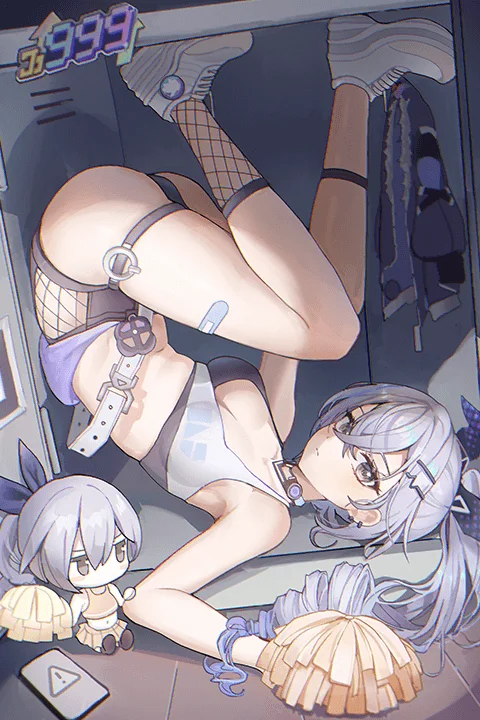 Translating foundational art theory into polished anime illustrations requires more than just basic drawing skills. This course focuses on actionable techniques:
- Stylized Anatomy Mastery: Understanding the differences between natural and stylized anatomy is vital. Explore how to simplify complex structures without losing their essence, ensuring stable and attractive drawings. This involves grasping the core shapes and forms that define characters in various anime styles.
- Dynamic Composition: Learn to build artworks with compelling silhouettes, gestures, and decorative elements. Mungduck’s method for forming a basic artwork structure involves a keen understanding of lighting, color contrast, and atmospheric conveyance, all while making full use of the available space.
- Character Design That Resonates: Dive deep into creating unique and distinct characters. By analyzing various design examples, you’ll uncover the elements that communicate personality and mood effectively, learning how to choose stylization that appeals to a broad audience.
- Detailing for Impact: Discover how to render characters in a trending manner by strategically emphasizing details. This isn’t about adding every possible detail, but about carefully arranging them to convey a specific theme or mood, ensuring the illustration looks explicit and not cluttered.
- Final Touches for Polish: The course covers enhancing illustrations with final touches. Utilizing fundamental color theory and layer properties, you’ll learn to adjust hue, saturation, and value, and emphasize key focal points for maximum visual impact.
💬 Frequently Asked Questions
Q. How can an Illustrator effectively use real-life references to create stylized anime characters?
A. An Illustrator should focus on understanding the underlying structure and principles of real-life objects and anatomy. Instead of direct copying, learn to identify key features like proportions, form, and movement, then consciously adapt these elements to fit the desired anime aesthetic. This involves selective simplification and exaggeration based on the character’s personality and the overall style.
Q. What are the most crucial elements for creating appealing character compositions from an Illustrator’s perspective?
A. For an Illustrator, crucial elements include developing strong silhouettes, dynamic gestures, and thoughtful use of decorative elements. Mastering lighting and color contrast, conveying a fitting atmosphere, and efficiently utilizing space are also key. The initial rough sketch is paramount, setting the direction and ensuring the final illustration is engaging.
Q. How can an Illustrator ensure their artwork consistently maintains a high level of quality and appeal?
A. To achieve consistent quality, an Illustrator needs to establish repeatable workflows and a solid understanding of their personal artistic strengths. This involves developing a systematic approach to elements like anatomy, composition, and rendering, ensuring each piece carries inherent interest and adheres to professional standards, which is critical when art is taken as a profession.