💡 Illustrator Nicko Febriansyah’s Core Techniques for Balanced Design
1. Prioritize Problem-Solving: Define Before You Draw
Before a single line is drawn, fully break down your character’s concept. This involves dissecting the narrative, identifying keywords, and compiling comprehensive reference material. For instance, analyzing “three-headed dog, dragon, scorpion” into distinct elements like “sphinx head,” “Chinese dragon body,” and “scorpion tails” allows for more intentional fusion and problem-solving. This methodical approach ensures every design choice serves a narrative purpose, preventing overcomplication.
2. Strategic Reference Gathering & Fusion
Leverage diverse visual resources, even from free platforms like Unsplash, to gather specific elements. Don’t just collect images; actively analyze them for components that directly address your character’s description. When combining elements, like a Rottweiler’s head with dragon scales, treat each component with equal importance. This disciplined collection and analytical approach prevents design elements from clashing and ensures a cohesive final form.
3. Intentional Coloring for Depth and Emphasis
The coloring stage is more than just applying hues. Use color to define character personality and hierarchy. For instance, distinguishing between the “base fur color,” “darker skin/fur patterns,” and accent colors like “gold” or “red” for specific features helps guide the viewer’s eye. Consider using warmer, brighter tones for focal points like eyes to increase their intensity and narrative impact, ensuring they don’t get lost against darker elements.
🛠️ Key Skills & Details That Define Professional Quality
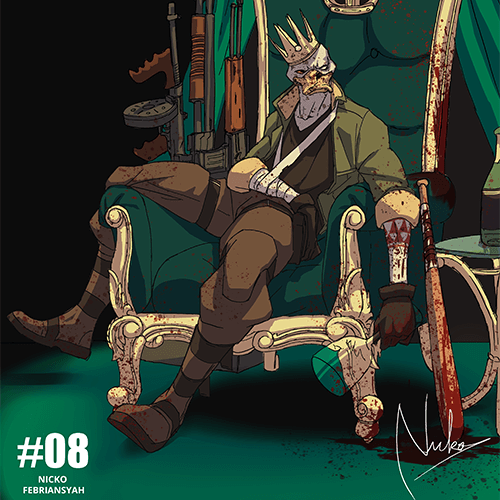
Professional character design hinges on more than just artistic flair; it’s about a refined workflow and meticulous attention to detail. This course emphasizes translating conceptual understanding into practical execution.
- Layer Management for Efficiency: Utilizing “refer to other layers” for the bucket tool in software like Clip Studio Paint or Photoshop dramatically speeds up the coloring process. This feature allows for precise fills based on existing line art, even across different layers, saving significant time compared to manual coloring.
- Color Palette Synergy: When selecting base colors, reference the overall mood and palette derived from your gathered imagery. For a “warm color” character, start with tones that align with this theme. Then, build upon this with lighter and darker variations to create depth, ensuring each color serves a purpose in defining form and personality.
- Focal Point Reinforcement: Actively identify and emphasize key character elements. In this course, the “head parts” and “two scorpion tails” are identified as focal points. This focus guides the application of details, color, and contrast, ensuring these distinct features stand out and contribute to the character’s unique silhouette and storytelling.
- Seamless Integration of Elements: When fusing disparate elements, like a dragon body with scorpion tails, ensure smooth transitions. The technique of coloring the “tail part” to connect visually with the “body part” creates a believable, integrated creature rather than a collection of separate pieces.
- Strategic Use of Lighting and Shading: Even with a solid base color, the final polish comes from lighting and shading. Applying these techniques can clarify details, such as distinguishing the black nose from black fur, or adding depth to scales and muscle definition, bringing the entire design to life.
💬 Frequently Asked Questions
Q. How does Illustrator Nicko Febriansyah ensure character designs are balanced and not overly complicated?
Illustrator Nicko Febriansyah emphasizes a rigorous problem-solving phase before sketching. This involves breaking down the character’s concept into core components, gathering specific references for each, and then intentionally fusing them. By defining the narrative and visual elements upfront, they avoid adding unnecessary complexity later in the design process.
Q. What is the most efficient way to color characters according to Illustrator Nicko Febriansyah’s methods?
The most efficient coloring method involves leveraging software features like the “refer to other layers” function for the bucket tool. This allows for rapid and precise filling of areas based on existing line art, significantly reducing manual labor. Additionally, building a cohesive color palette from initial references and strategically using colors to define form and emphasize focal points contribute to both speed and quality.
Q. What are the key takeaways for artists learning character design from Illustrator Nicko Febriansyah?
The most crucial takeaway is adopting a methodical, problem-solving mindset. Artists will learn to approach character design not just as drawing, but as a process of defining narrative, finding strategic references, and integrating diverse elements seamlessly. The course aims to equip learners with the skills to create balanced, visually compelling characters efficiently, pushing their creative boundaries.