Character Art to Commerce: Mastering Merchandise Creation
🧐 The Frustration of Unsold Art: Turning Passion into Profit
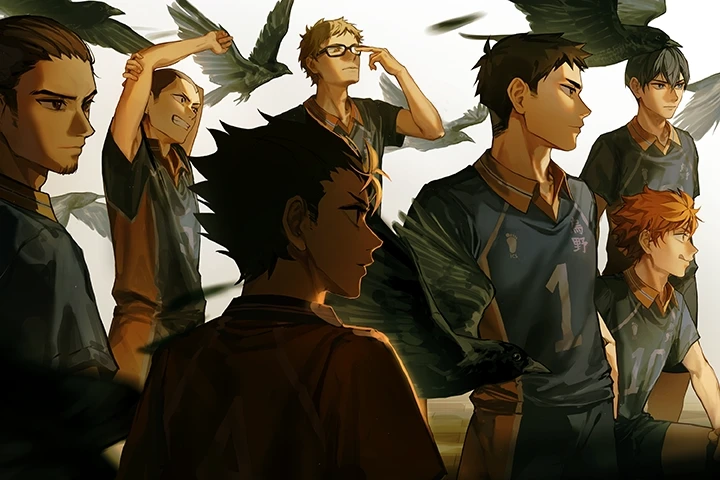
You pour your heart into creating stunning character illustrations, but they remain digital files or unsold prints. The gap between a captivating character and a product that flies off the shelves feels immense, leaving many artists wondering if their passion can truly sustain their career.
💡 Three Pillars to Elevate Your Character Art into Sellable Merchandise
1. The Foundation: Crafting Emotive Characters
The core of any successful merchandise starts with a character that resonates. This involves mastering anatomy not just for accuracy, but for expressive posing and conveying personality. Think about how subtle shifts in posture or facial expression can communicate joy, sadness, or determination. This emotional depth is what connects audiences to your art and makes them want to own a piece of it.
2. The Bridge: Designing for Different Products
Not all illustrations translate directly to all merchandise. The key is to understand how your character can adapt to various formats, from stickers and pins to apparel and larger prints. This means simplifying certain details for smaller items while retaining the essence of the character, and exploring color palettes that work well across different materials. It’s about strategic design adaptation, not just replication.
3. The Launchpad: Building Your Art Business Ecosystem
Creating great art and merchandise is only half the battle. The real game-changer is understanding the business side. This includes learning how to effectively market your creations, manage an online store, and even leverage conventions for direct sales. Building a loyal customer base relies on consistent quality, engaging your audience, and making your art accessible.
🛠️ Key Skills & Details That Define Professional Quality
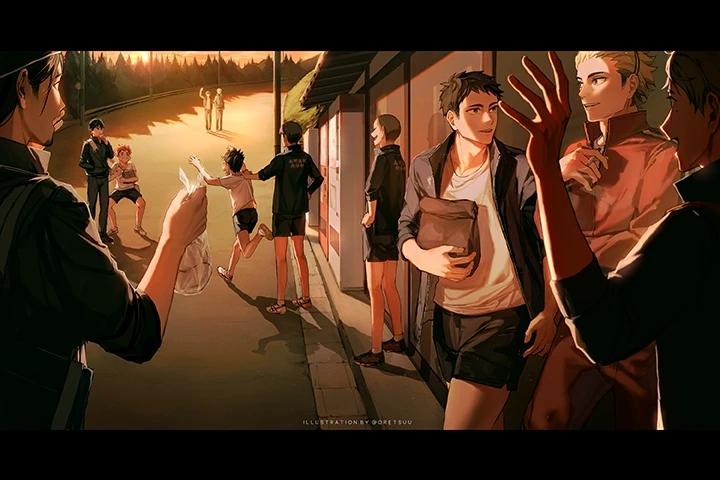
Achieving professional quality in character illustration for merchandise involves a keen eye for detail and an understanding of how different elements impact the final product.
- Lighting and Mood: Mastering how light and shadow define form and atmosphere is crucial. Strategic use of lighting can dramatically enhance the emotional tone of your character, making them more relatable and compelling. This goes beyond simply adding highlights; it’s about sculpting your character with light to evoke specific feelings.
- Texture Rendering: Bringing your characters to life requires rendering diverse textures convincingly. From the soft drape of fabric to the hard sheen of armor, your ability to depict these materials adds a layer of realism and depth that elevates your artwork from flat illustration to something tangible.
- Anatomical Nuances: Understanding the subtle differences in male and female anatomy allows for more believable and dynamic character designs. This isn’t about rigid rules but about informed artistic choices that contribute to the character’s form and presence.
- Color Theory Integration: The relationship between color and lighting is inseparable when aiming for specific emotional impact. By understanding how colors interact with light sources, you can create illustrations that are not only visually appealing but also powerfully emotive, guiding the viewer’s interpretation.
💬 Frequently Asked Questions
Q. How can an Illustrator develop a mood board for character merchandise design?
A. An Illustrator can develop a mood board by gathering visual references for character inspiration, potential merchandise items, and desired aesthetic themes. This involves collecting images related to color palettes, clothing styles, textures, and even emotional cues that align with the character’s personality and the target audience for the merchandise.
Q. What’s the most effective way for an Illustrator to present character illustrations for merchandise production?
A. For merchandise production, an Illustrator should prepare final illustration files that are print-ready and in high resolution. This often includes creating variations of the character design suitable for different product types, such as simplified versions for smaller items or designs with transparent backgrounds. Providing a style guide detailing color codes and key design elements can also be highly beneficial.
Q. As an Illustrator, what are the essential steps an Illustrator needs to take to start selling merchandise of their characters?
A. An Illustrator must first finalize their character designs and decide on the merchandise products. Next, they need to research and select reliable manufacturers for printing and production. Establishing an online storefront, either through a personal website or a platform like Etsy, is crucial for sales. Finally, developing a marketing strategy to reach potential customers is key to driving sales and building a brand.