💡 Three Pillars for Bringing Your Characters to Life
This approach focuses on transitioning your static art into dynamic 2D animation by emphasizing core principles that guide believable movement.
1. Anatomy and Pose: The Foundation of Fluidity
It’s not just about drawing a character; it’s about understanding their underlying structure and how it dictates motion. Learning to draw fluid poses that showcase human flexibility is paramount. This isn’t merely an illustration skill; it’s a crucial foundation for any 2D character animation. Focus on the interplay of joints, weight distribution, and anticipating natural counter-movements.
2. From Concept to Animation: A Mini Production Pipeline
Think of your creative process as a miniature version of a full animation pipeline. This class guides you through pre-production (concept building, proportions), production (drawing, posing, animation), and post-production. This structured workflow helps streamline your process, making the leap from a still image to a 4-5 second looping animation manageable, even for beginners.
3. The Power of Characteristics: Breathing Life Through Design
A character’s unique characteristics aren’t just aesthetic; they inform their movement and personality. Explore how specific poses and defining traits can breathe life into your characters, making them feel distinct and memorable. This understanding elevates your storytelling and animation, ensuring your characters don’t just move, but act.
🛠️ Key Skills & Details That Define Professional Quality
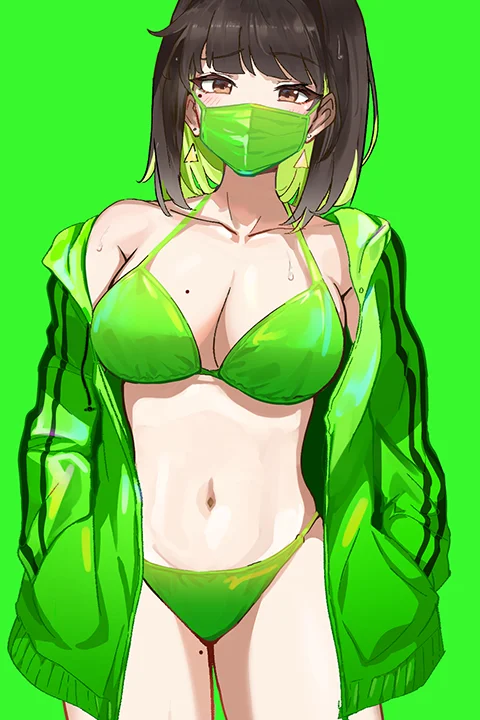
Transitioning from illustration to animation requires a shift in perspective and a mastery of specific techniques. Professionals don’t just rely on software; they leverage a deep understanding of motion and form.
- Fluid Pose Construction: Go beyond basic anatomy by studying how bodies twist, bend, and counterbalance. This knowledge directly translates into more dynamic and believable character poses in both stills and animation. Learn to draw the implication of movement even when the character is still.
- Proportion and Concept Building: For anime-style characters, understanding precise proportions is key to maintaining a consistent look. Develop unique character concepts by considering how their design elements will translate into animation. This includes thinking about silhouette, line weight, and how different parts of the character will move independently.
- Background Integration: While characters are the focus, captivating environments are crucial. Learn how to balance character detail with background elements to create visually stunning scenes without overwhelming the viewer. The goal is to complement, not compete.
- Animation Fundamentals: Once character illustration is solid, dive into animation essentials. This includes understanding keyframes, breakdowns, and in-between frames. Mastering these basics allows you to create smooth, captivating movements that bring your characters to life.
- Workflow Efficiency: Gaining insights into a professional animator’s workflow can significantly boost your output. This includes understanding how to efficiently manage your layers, utilize animation timelines, and even discover time-saving techniques Ormille has honed throughout their career.
💬 Frequently Asked Questions
Q. As an Illustrator, what’s the biggest pitfall when trying to animate my existing work?
The most common pitfall for an Illustrator is creating poses that are too stiff or lack a sense of natural weight and flow. The key is to study how the body moves and how poses naturally transition, rather than treating each frame as a separate drawing. Understanding the underlying anatomy and anticipating natural follow-through and opposing motion are critical.
Q. What software does an Illustrator need to start animating their characters?
For transforming illustrations into animation, a combination of illustration software and animation software is typically used. Clip Studio Paint is excellent for the illustration phase, offering robust drawing tools. For the animation itself, software like After Effects is commonly used for 2D character animation due to its powerful timeline and motion graphics capabilities.
Q. How can an Illustrator ensure their animated characters retain their unique style?
Maintaining a unique style involves being consistent with your design choices and animation principles. For example, if your illustration style uses specific line weights or brush textures, ensure these are translated into the animation. Furthermore, a character’s defined personality and characteristics, which are established during the illustration phase, should inform their animation. Think about how your character would move based on their personality, not just how any character would move.
👉 Want to Go Deeper?
If you’re ready to transform your static illustrations into dynamic, living characters and gain a comprehensive understanding of the animation process, dive into the full curriculum.