💡 3 Core Principles for Expressive Figures
1. Structural Mannequinization: The Foundation of Dynamic Figures
It’s not just about drawing a stick figure. This involves building a 3D understanding of how body parts connect and move. Think of it as creating a flexible armature, recognizing structurally movable and immovable parts. This approach allows you to compose figures from any angle, giving you a solid understanding of volumes and the overall form.
2. Deconstruct and Reconstruct: Creative Distortion Techniques
Stop trying to perfectly replicate reality. The real magic happens when you learn to creatively break anatomy rules. This isn’t about making things look unfinished, but about using your understanding of muscles and skeletal structure to push boundaries. Explore how bones connect, how muscles influence form, and then deliberately deform these elements to create visually compelling and unique postures.
3. Expressive Gestures: Beyond the Squiggly Line
Gestures are more than just initial loose sketches. They are the direct translation of energy and emotion onto the page. Learn to imbue your gestures with subtle nuances of body language, observing how even slight shifts convey distinct emotions or behaviors. This depth transforms static drawings into living characters, almost like a performance artist capturing a moment.
🛠️ Key Skills & Details That Define Professional Quality
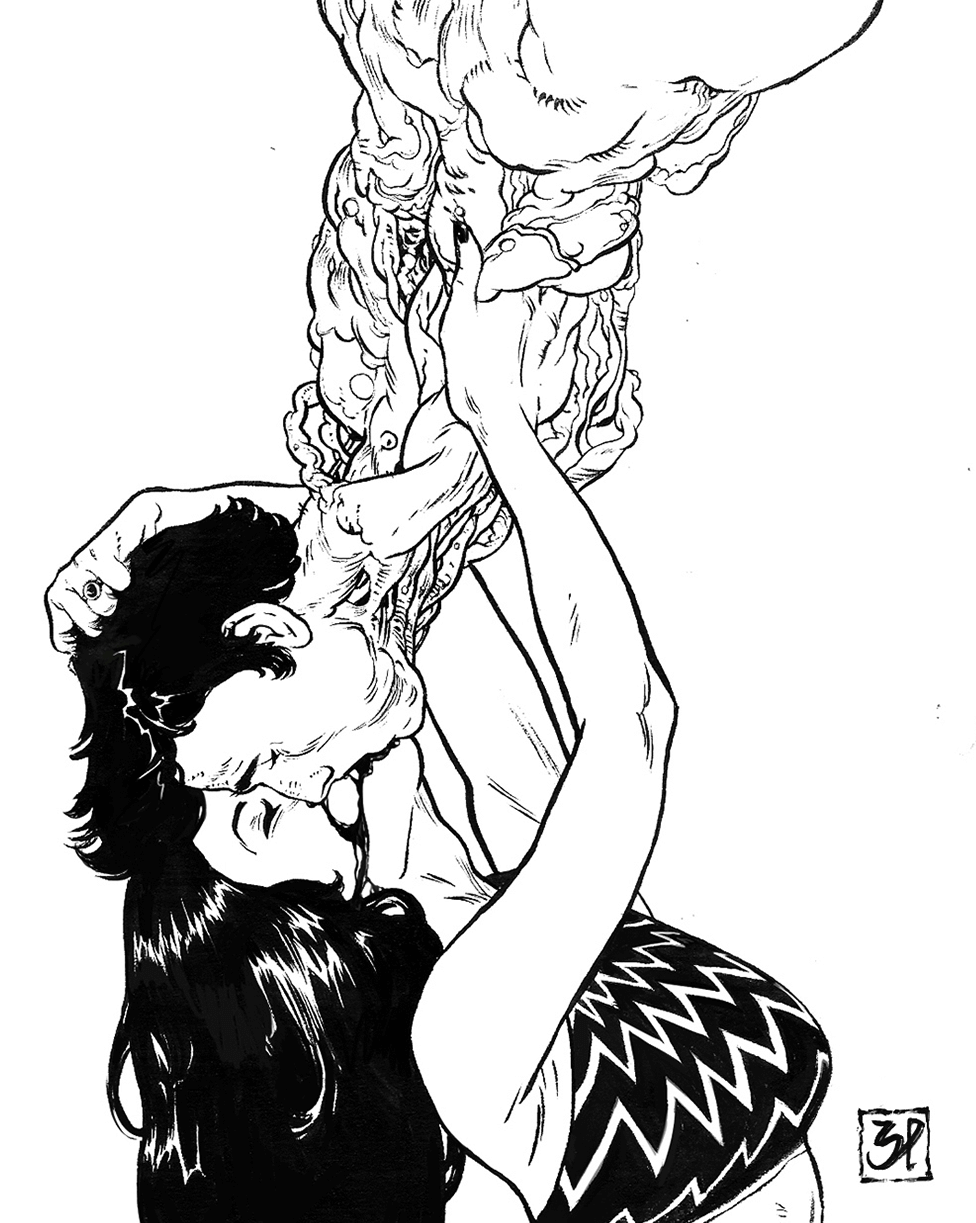
Moving beyond basic understanding, professionals leverage a deep dive into the body’s mechanics. This includes grasping bony landmarks and the simplification of complex skeletal structures, particularly the joints. Understanding how muscles connect to the spine and femur, and the underlying structures of the hands, feet, and even facial muscles, allows for incredibly nuanced posing. It’s about seeing how surface anatomy fits perfectly into the gesture, and even incorporating how fat pads influence the visual form to create truly convincing characters. This isn’t just about drawing what you see, but understanding why it looks that way, enabling you to then artfully manipulate those forms.
💬 Frequently Asked Questions
Q. How can an Illustrator use figure drawing to improve their work?
An Illustrator can use figure drawing as a fundamental tool to build a strong foundation for character creation. By mastering anatomy and dynamic posing, they can create more believable, expressive, and versatile characters that stand out in any composition, effectively communicating mood and action.
Q. What’s the most effective way to learn complex anatomy for illustration?
The most effective way for an Illustrator to learn complex anatomy is through a combination of structural understanding and creative application. Instead of rote memorization, focus on how bones and muscles connect and influence surface form. Then, practice distorting these structures intentionally to develop a unique artistic style.
Q. How does understanding body language benefit an Illustrator?
Understanding body language is crucial for an Illustrator because it allows them to imbue their characters with personality and emotion. Subtle postures and gestures can convey a wide range of feelings and intentions, making illustrations more engaging and relatable for the audience.