💡 Three Pillars for Compelling Concept Art
This course, led by Illustrator Pyeongjun Park, emphasizes a storytelling-first approach to concept art. Here are three core principles to elevate your work:
1. Translating Abstract Ideas into Visual Narratives
- The Principle: Art isn’t just about rendering; it’s about communication. Pyeongjun Park stresses the importance of moving beyond technical proficiency to expressing emotions and conveying specific stories through your visuals. This involves understanding how to interpret abstract concepts and translate them into concrete visual elements that resonate with an audience.
- The Method: The course delves into training methods that help you identify and articulate the core message of your piece. This involves exercises focused on mood, color, and composition to ensure your visuals actively support the narrative you aim to tell. It’s about shifting your mindset from “how do I draw this?” to “how do I show this story?“
2. Efficient Workflow: From Scribble to Storytelling Splash Art
- The Routine: Pyeongjun Park reveals his professional workflow, emphasizing how to efficiently develop initial ideas—even rough scribbles—into polished concept art. A key takeaway is learning to see existing doodles not as finished pieces, but as springboards for further development.
- The Technique: The course breaks down how to start with a simple idea or a casual scribble and systematically build upon it. This includes practical steps for refining composition, matching descriptive detail levels, and efficiently transitioning through stages like line art, coloring, and texturing. This structured approach ensures that even seemingly random marks can evolve into cohesive, narrative-driven visuals.
3. The Art of Suggestion: Guiding the Viewer’s Eye
- The Detail: Professionals understand that not every element needs explicit detail. Pyeongjun Park teaches how to strategically control the amount of visual information presented to guide the viewer’s focus and enhance the storytelling. This involves understanding composition, perspective, and the intentional use of detail to highlight key aspects of your artwork.
- The Impact: By mastering these techniques, you can create a sense of depth and intentionality in your work, making your illustrations more engaging and impactful. This includes knowing when to simplify and when to elaborate, ensuring that every element serves the overall narrative and aesthetic goals of the piece.
🛠️ Key Skills & Details That Define Professional Quality
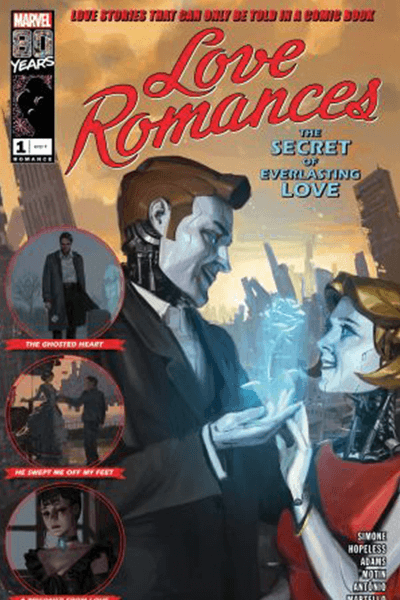
Moving beyond basic rendering requires a nuanced understanding of how different elements contribute to the final image. Pyeongjun Park emphasizes practical application of concepts like:
- Color Harmony and Contrast: Understanding how to use color palettes not just for aesthetics, but to evoke specific moods and highlight focal points. This includes learning about base colors, point colors, and how harmonious or contrasting combinations can amplify the intended atmosphere.
- Compositional Strategies: Mastering techniques for arranging elements within a frame. This ranges from ‘random’ arrangements that create a natural feel to more ‘artificial’ placements that convey symbolic meaning or direct the viewer’s interpretation. Learning to use perspective and the placement of objects to tell a story is crucial.
- Expressive Sketching and Detail Control: Developing sketches that are not just placeholders but active tools for development. This involves understanding how to refine initial lines, control line weight, and decide on the level of detail appropriate for different areas of the artwork to enhance clarity and impact.
- Light and Shadow for Narrative: Utilizing lighting not merely for realism, but as a storytelling device. Techniques like backlighting to define silhouettes or side lighting to emphasize form are explored, showing how light can direct attention and enhance the emotional tone of a piece.
💬 Frequently Asked Questions
Q. Illustrator, Can I create compelling concept art without innate artistic talent?
A. Many believe artistic talent is solely innate, but it can be cultivated. This course focuses on the process and storytelling behind art, rather than just technical skill. By learning how to think about what to draw and how to express it, you can develop your artistic sense and create impactful visuals, regardless of your perceived natural talent.
Q. Illustrator, Which artists would benefit most from this storytelling-focused concept art class?
A. This class is ideal for illustrators who struggle with translating abstract ideas into visual form, feel their work is too derivative, or want to move beyond simple tracing. It’s beneficial for those who want to understand the ‘why’ behind their artistic choices and develop a more personal, narrative-driven style. Beginners and intermediate artists looking to deepen their conceptual approach will find significant value.
Q. Illustrator, What is the most crucial takeaway Pyeongjun Park wants students to gain from this course?
A. The core objective is to empower artists to develop their unique visual language. Pyeongjun Park aims to equip students with the ability to confidently translate their ideas, emotions, and stories into compelling concept art. This means understanding how to approach a blank canvas with a clear narrative intention and possessing the skills to execute that vision effectively, leading to more meaningful and original artwork.
👉 Want to Go Deeper?
Unlock the full potential of your creative vision and learn how to craft illustrations that tell captivating stories.