Unlock Character Design Secrets: Rinotuna’s Masterclass Breakdown
🧐 Stuck with generic character concepts that lack soul?
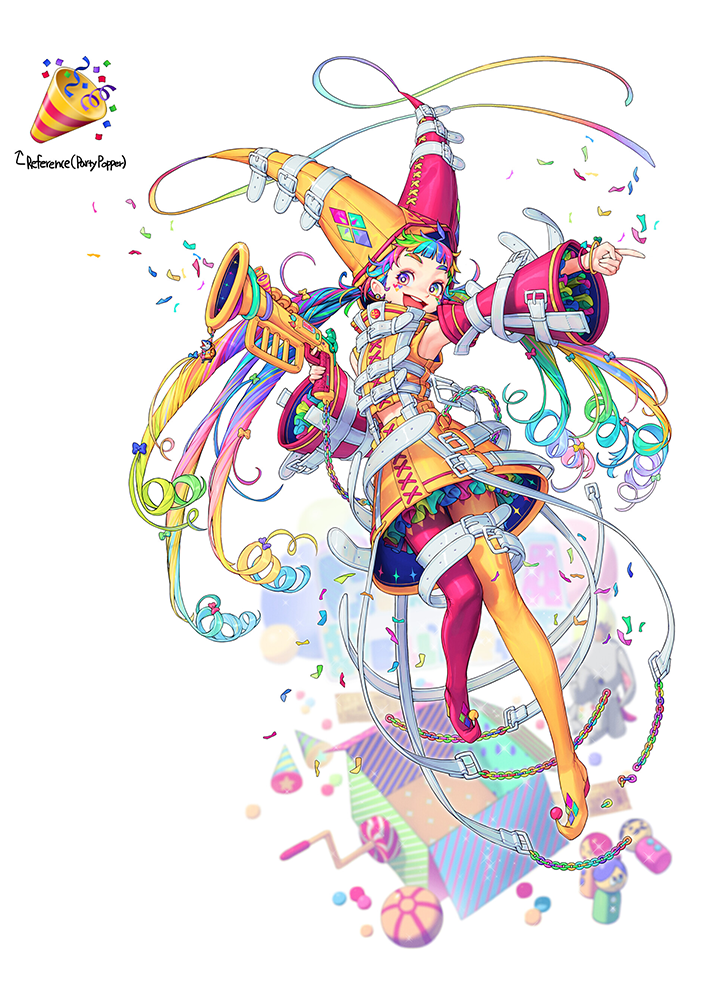 It’s frustrating when your character designs don’t quite capture the essence you envisioned. Many beginners struggle with translating abstract ideas into distinct visual identities. The missing piece often lies in a structured approach to ideation and expression.
💡 3 Core Techniques from Rinotuna to Elevate Your Character Art
1. Mastering the Art of Ideation and Reference Gathering
Fr-Illustrator Rinotuna emphasizes a dynamic approach to inspiration. Instead of waiting for ideas to strike, actively cultivate a diverse range of references. This involves not just looking at other art, but observing the world—objects, animals, and nature—to build a richer personal visual library. This habit allows for more unique and cohesive character designs that resonate with a broader audience.
2. Deconstructing Form for Dynamic Character Posing
Rinotuna’s method focuses on understanding the underlying structure of the human body. By breaking down complex forms into simple, elemental shapes, practitioners can more accurately depict volume and movement. This is crucial for creating characters that feel alive and dynamic, whether they’re in a static pose or mid-action. The key is to analyze references not just for aesthetics, but for their structural integrity.
3. Strategic Color Theory for Emotional Resonance
Beyond just picking pleasing colors, Rinotuna delves into the “why” behind color choices. This involves understanding how light interacts with different materials and how specific color palettes can evoke particular emotions or tell a character’s story. Learning to apply color theory logically, rather than by gut feeling alone, builds confidence and ensures your character’s visual presentation supports their narrative.
👉 See Rinotuna’s Full Curriculum
🛠️ Key Skills & Details That Define Professional Quality
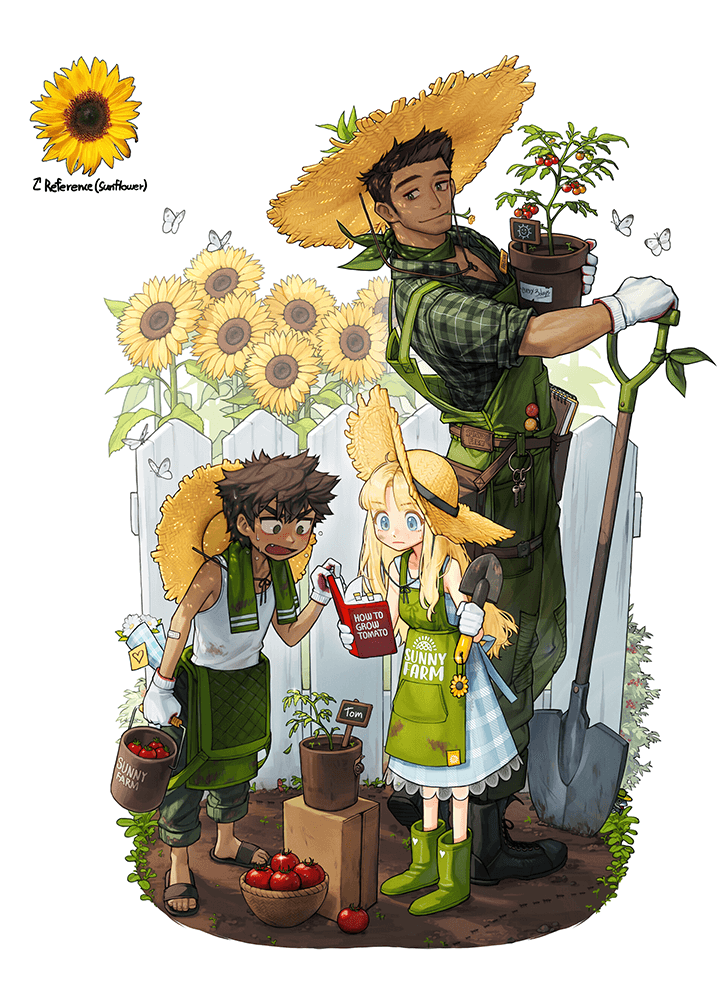
Professional illustrators like Rinotuna meticulously refine their work through specific techniques. For instance, understanding light and shadow play is critical. Rinotuna guides you through applying ambient light and understanding how it affects shadows based on material properties. This isn’t just about rendering; it’s about creating a believable world for your characters.
Brush control and efficient workflow are also paramount. Rinotuna demonstrates how to use Photoshop tools effectively, including custom brushes and layer management, to speed up the rendering process without sacrificing quality. Mastering these practical skills allows for more iterations and faster refinement of character designs.
Finally, the course stresses the importance of “details that matter.” This involves knowing which elements to focus on—like expressive facial features or the subtle folds in clothing—to convey personality and story. Rinotuna’s approach teaches you to strategically apply detail, making your characters instantly recognizable and memorable.
💬 Frequently Asked Questions
Q. Fr-Illustrator, How can I make my character silhouettes more dynamic?
A. Fr-Illustrator Rinotuna emphasizes analyzing silhouette shapes for visual balance and storytelling. Key principles include understanding the interplay of positive and negative space, utilizing asymmetry effectively, and ensuring the silhouette clearly communicates the character’s core traits or profession. Experiment with exaggerating certain shapes while maintaining a clear overall form.
Q. Fr-Illustrator, What’s the best way to gather references for character design?
A. Fr-Illustrator Rinotuna suggests developing a broad range of interests. Go beyond typical art references and look at fashion, historical artifacts, animal anatomy, and even everyday objects. Cataloging these diverse inspirations systematically helps in finding unique elements that can be integrated into your character designs, making them stand out.
Q. Fr-Illustrator, How do I improve my character’s color palette to evoke the right mood?
A. Fr-Illustrator Rinotuna advocates for a deep understanding of color theory and its psychological impact. Learn how different color harmonies can convey specific emotions—warm colors for energy, cool colors for calmness, and contrasting palettes for tension. Practice analyzing existing works and experimenting with various color combinations to see how they affect the character’s overall feel.
👉 Want to Go Deeper?
Discover the full spectrum of techniques and insights to transform your character creations.