Illustrator Rinotuna’s Character Design: Fixing Common Ideation Pitfalls
🧐 That Frustrating Moment When Your Character Concept Feels Flat
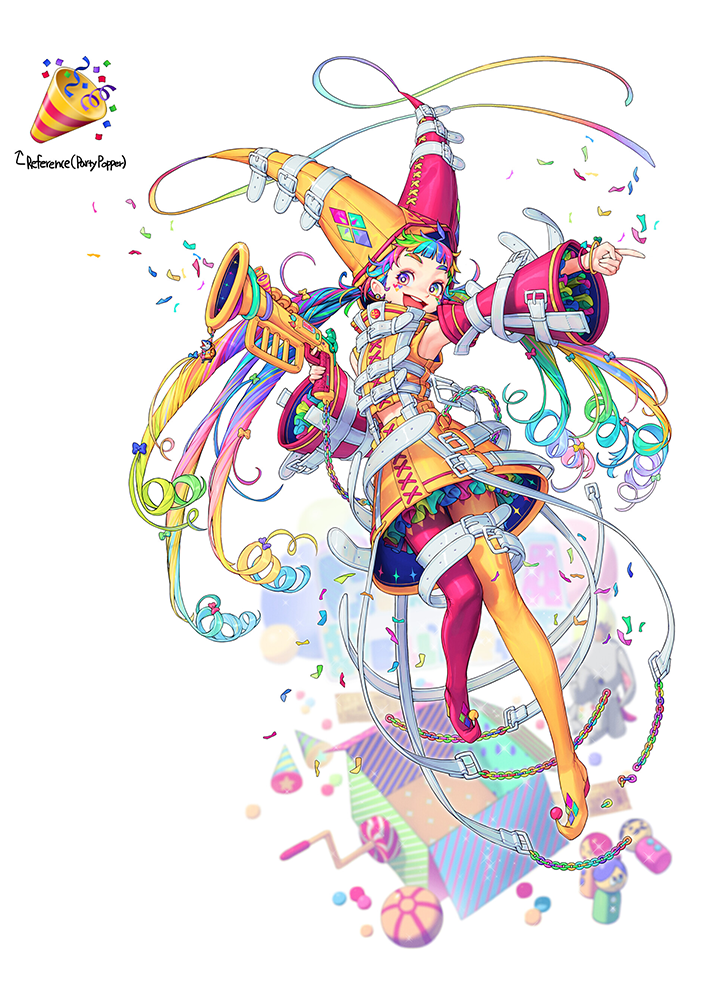 You follow every step, yet the result still feels off — like a key element is missing. Turns out the fix for stale character concepts is often simpler than you think, involving a subtle shift in your ideation process.
💡 Core Principles for Dynamic Character Creation
1. Master Ideation Through Structured Exploration
The foundation of compelling character design isn’t just about having a great idea, but about a systematic approach to discovering and refining it. This involves:
- Broad Inspiration Gathering: Don’t limit your sources. Explore diverse fields – nature, technology, history, mythology – for unexpected concepts.
- Analytical Reference Breakdown: Go beyond simply collecting images. Analyze why certain designs work. Understand the underlying visual language, color psychology, and narrative elements.
- Iterative Design Exploration: Actively experiment with different directions. Don’t settle for the first concept. Develop multiple variations to find the strongest one.
This isn’t just about learning techniques; it’s about fostering a mindset of continuous curiosity and critical observation.
2. Refine Your Workflow with Efficient Reference Analysis
Most artists spend too much time passively collecting references. The professional approach involves efficient analysis and synthesis:
- Keyword-Driven Research: Start with core keywords related to your character’s personality, role, or backstory. Use these to guide your search.
- Systematic Categorization: Organize your collected references by theme, element, or visual characteristic. This makes it easier to draw connections and identify patterns.
- Concept Sketching from Data: Translate your analysis into quick thumbnail sketches. This forces you to actively engage with the information and begin forming visual ideas, rather than just copying.
This method significantly cuts down production time by focusing your efforts on creating something truly original.
3. Elevate Your Output with Intentional Silhouette and Composition
The final polish often comes down to the subtle but crucial details of silhouette and composition.
- Intentional Shape Language: Understand how basic shapes (circles, squares, triangles) convey different feelings. Use this to reinforce your character’s personality and role.
- Balancing Visual Weight: Pay attention to the distribution of elements within your design. A well-balanced composition draws the viewer’s eye effectively and feels stable or dynamic as intended.
- Strategic Use of Contrast and Edge: Employ contrast in form and value to make key features pop. Understand how sharp edges and soft transitions guide the viewer’s perception.
This “one extra step” ensures your character design isn’t just visually appealing but also communicates effectively on a deeper level.
🛠️ Key Skills & Details That Define Professional Quality
The journey from a raw idea to a polished character illustration hinges on practical, hands-on techniques. It’s about translating theoretical knowledge into tangible artistic execution.
- Expressing Form and Motion: Learn to construct the human body naturally using 3D composition principles. This includes understanding how major joints move and how to dynamically represent them. For drawing, focus on brush control and pressure sensitivity to convey natural curves and weight.
- Mastering Light and Color Theory: Go beyond basic color picking. Understand how light affects shadow, how different color schemes evoke specific moods, and how to apply this knowledge to create realistic lighting and attractive illustrations. This involves analyzing color properties and their psychological impact.
- Effective Ideation and Reference Utilization: Develop a systematic approach to collecting and analyzing references. This means transforming keywords into actionable design elements and understanding how to translate abstract ideas into concrete visual components. The process involves detailed analysis of your gathered data.
- Crafting Strong Silhouettes and Compositions: Learn to design characters that are recognizable even in silhouette. This requires an understanding of visual balance, flow of gaze, and the strategic use of symmetry and asymmetry.
- Developing Detailed Drafts and Final Artwork: This involves meticulous work from sketching to final coloring. Professionals understand how to plan development direction based on initial drafts, organize lines for clarity, and apply base colors thoughtfully. Techniques for rendering skin, costumes, and small details are crucial.
💬 Frequently Asked Questions
Q. Illustrator, how can I ensure my character’s silhouette is unique and recognizable?
A. Focus on defining a strong, distinctive shape language early in the ideation process. This involves experimenting with various proportions, adding unique costume elements, and ensuring the overall form reads clearly even without internal details. Analyzing existing characters for what makes them stand out can provide valuable insights.
Q. Illustrator, what’s the most effective way to use references without just copying existing designs?
A. The key is analytical breakdown. Instead of finding a character you like and replicating it, gather diverse references related to your character’s core concept (e.g., animal anatomy for a beast-like character, historical armor for a knight). Then, analyze specific elements – how a joint bends, the texture of fabric, the shape of a prop – and integrate those learned principles into your own original design, rather than copying wholesale.
Q. Illustrator, how do I bridge the gap between abstract ideas and concrete character designs?
A. This course emphasizes a structured approach. Start by breaking down abstract concepts into keywords and then into visual elements. Use techniques like mind-mapping or mood boards to explore these elements. The process of creating multiple thumbnail sketches based on your analysis, rather than trying to perfect one idea immediately, helps materialize abstract thoughts into viable design directions.