Character Design Fundamentals: Mastering Silhouettes and Composition
🧐 That Moment When Your Character Feels Flat, Despite All Your Efforts
 You meticulously craft every detail, yet your character still lacks that undeniable spark. It often boils down to the foundational elements you might be overlooking. The fix isn’t always about adding more; it’s about refining what’s already there.
💡 Three Pillars for Unforgettable Character Design
1. Silhouette: The Unspoken Storyteller
Understanding how a character reads solely from their outline is crucial. It’s the first impression, and it needs to communicate personality and intent. This means playing with distinct shapes—think of a flowing cape versus a bulky, armored silhouette—to immediately convey character archetypes before any detail is visible. It’s not just about learning the technique; it’s about shifting how you think about form as a narrative tool.
2. Composition: Guiding the Viewer’s Eye
Effective composition within a character sheet or illustration directs the viewer’s attention to the most important elements. This involves strategically placing elements, using negative space, and understanding focal points. A well-composed piece makes it effortless for the audience to appreciate the design, leading them on a visual journey that highlights the character’s key features and story.
3. Workflow: From Roughs to Refined Assets
The journey from a nascent idea to a polished character design involves a structured workflow. This means developing a rough design phase where exploration is key, followed by a refinement stage that focuses on clarity and impact. Learning to efficiently move through these stages, understanding when to push ideas and when to lock them down, is paramount for professionals aiming for high-quality output.
🛠️ Key Skills & Details That Define Professional Quality
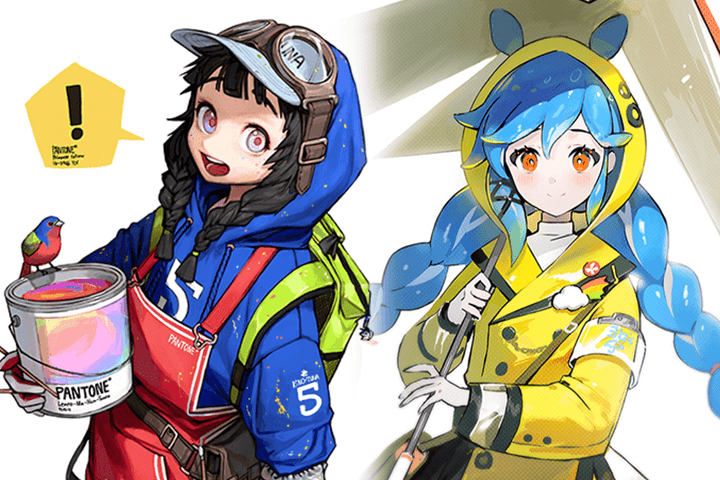
Professional character illustration hinges on translating theoretical understanding into tangible, impactful visuals. This involves mastering core principles like the three-dimensional representation of the human body, ensuring accurate anatomy and expressive posing. Color theory also plays a vital role; understanding how lighting affects color palettes and how to arrange colors to enhance mood and readability is a hallmark of skilled artists. Beyond basic drawing, professionals leverage techniques for visualizing design concepts with diverse references, integrating them seamlessly into their creations. Developing a character that effectively communicates its intended theme to a specific target audience requires a deep dive into aesthetic choices and expressive methods. Finally, the refinement process—including character drafting and the creation of detailed character sheets—elevates an illustration from good to exceptional, showcasing meticulous attention to detail and a comprehensive understanding of the character’s design.
💬 Frequently Asked Questions
Q. How can an Illustrator effectively use silhouettes to convey a character’s personality?
An Illustrator can use silhouettes by experimenting with distinct shapes. For instance, sharp, angular shapes might suggest a more aggressive or mechanical character, while soft, rounded shapes could imply a gentle or friendly one. The overall posture and unique protrusions or absences in the silhouette are key to initial character recognition.
Q. What are some practical tips for an Illustrator to improve their character composition skills?
An Illustrator can improve composition by understanding the rule of thirds, leading lines, and the use of negative space. Practicing thumbnail sketches with varied compositions before committing to a final drawing can help identify the most dynamic and effective arrangements. Consider what you want the viewer to focus on and how to guide their eye there.
Q. How does an Illustrator typically approach the workflow from rough design to a final character sheet?
An Illustrator typically starts with broad concept sketches exploring various ideas. Once a direction is chosen, they move to more refined sketches, focusing on anatomy and key features. This is followed by developing color palettes and exploring different lighting scenarios. Finally, a detailed character sheet is created, often including front, side, and back views, along with close-ups of important details and notes on expression or movement.