Stylized Character Design: How Illustrator Seoji Achieves Vibrant Moods
🧐 The Frustrating Gap Between Sketch and Finished Character
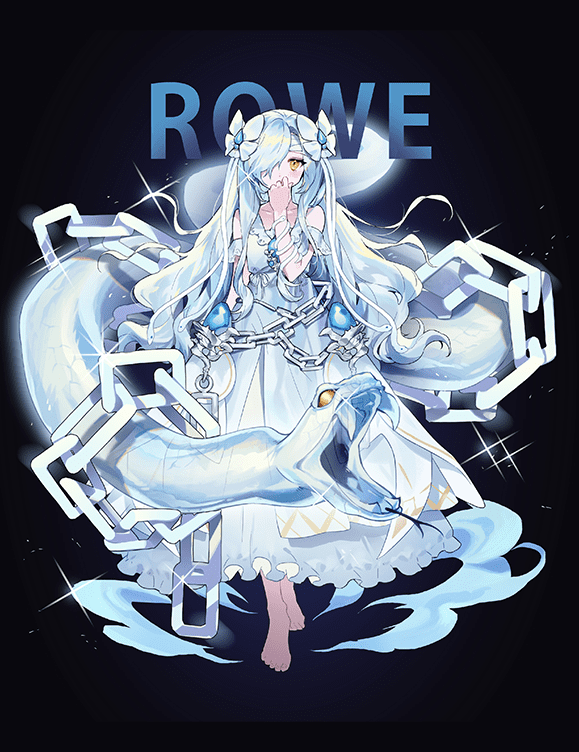 You’ve nailed the sketch, captured the pose, but the final illustration still feels… flat. The character lacks that spark, that distinct mood you envisioned. This is a common hurdle: transitioning from strong foundational drawing to a high-density illustration that truly pops with personality and vibrancy. The key often lies not in adding more detail randomly, but in understanding how specific elements – light, color, and line – work together to convey emotion and presence.
💡 Seoji’s Trio of Techniques for Unforgettable Characters
1. Dynamic Poses That Tell a Story
Illustrator Seoji emphasizes “motion” as the cornerstone for expressing a character’s situation and personality. It’s not just about a static pose, but about capturing the inertia and flow that defines them.
- Method: Instead of just drawing a pose, think about the action leading up to it and the action that will follow. This thought process naturally injects dynamism. For stylized characters, this often means exaggerating the key lines of motion, creating a visual narrative that immediately engages the viewer. Seoji’s approach involves analyzing photographic references not just for form, but for the implied movement within the frame.
2. Color Palettes That Define Personality
The right color scheme isn’t just decorative; it’s a powerful tool for defining a character’s mood and inherent traits. Poor color choices can undermine even the most compelling design.
- Workflow: Seoji guides users through selecting an overall color palette that sets the mood, and then choosing accent colors that highlight personality. This involves understanding color theory beyond basic harmonies, focusing on how specific combinations evoke weight, emotion, and distinct character archetypes. Practicing the entire coloring process, from initial blocking to refinement, is crucial here.
3. The “Animation” of Light and Shadow
Stylizing light and shadow is critical for giving characters life and dimensionality, moving beyond a literal interpretation to something more expressive.
- Finishing Detail: Applying light and shadow in an “animated way” based on references is key. This means simplifying and stylizing complex light sources found in photos, translating them into clear, graphic shapes that enhance the character’s form and mood. Seoji demonstrates how to use these stylized lighting cues to accentuate motion and add a sense of weight, making the character feel more tangible and impactful.
🛠️ Key Skills & Details That Define Professional Quality
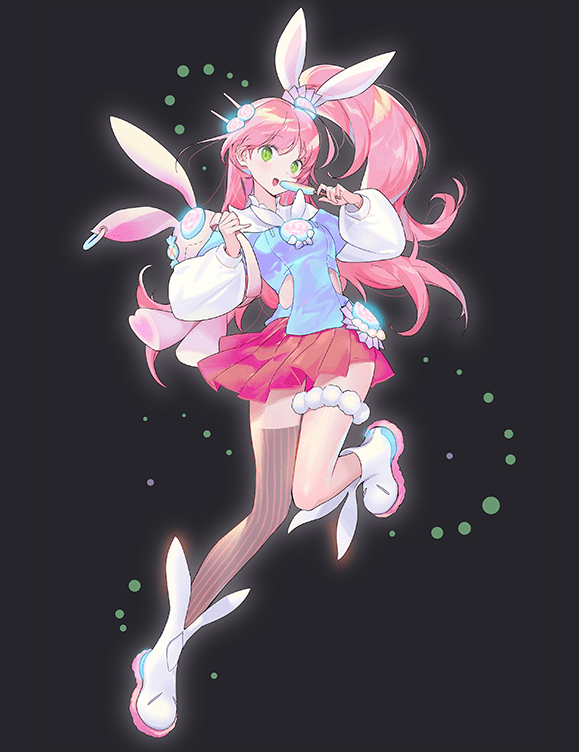
Moving from a basic sketch to a high-density, stylized character illustration demands a specific skill set that goes beyond just drawing. It’s about the nuanced application of techniques that professionals use to elevate their work.
- Line Control for Density: Developing customized line drawings involves understanding what to focus on for density and when to omit lines entirely. Seoji provides guidelines for avoiding shaky lines and strategically adding or subtracting linework to improve the illustration’s overall clarity and impact. This controlled approach ensures that subtle details make a big difference.
- Brushwork and Texture: Mastering specific brush techniques in software like Photoshop is vital for creating vibrant textures and depth. This includes understanding how different brushes can convey a sense of weight and how refined strokes contribute to the final illustration’s appeal.
- Facial Features and Props: The face is often the first element that captures a viewer’s attention. Seoji details how to convey personality through carefully crafted facial features, including textures and decorative elements. Equally important is the skillful incorporation of relevant props that add to the character’s narrative and visual interest.
- Photoshop Enhancements: Fine-tuning elements like brightness and saturation in Photoshop, and applying various effects, are the final steps that enrich character drawings. This post-processing stage is where an illustration truly gains its final polish and vibrancy.
💬 Frequently Asked Questions
Q. How can a beginner identify fundamental problems in their stylized character drawings?
Illustrator Seoji suggests comparing your work with that of your favorite artists to set a clear direction and understand the differences in the level of completion and quality. This comparative analysis is a powerful way to pinpoint areas for improvement.
Q. What is the most effective way to enhance character appeal through poses?
Illustrator Seoji emphasizes focusing on “motion” as the key element. Learn to draw more dynamic and natural sketches by considering the character’s personality and the situation they are in, maximizing their inherent dynamism.
Q. How can I make my stylized character illustrations more lively with coloring?
Illustrator Seoji shares tips for creating vibrant stylized character illustrations by considering the viewer’s gaze, conveying a sense of weight, and incorporating appropriate effects. This includes selecting the right overall color palette and accent colors to determine the character’s personality.
👉 Want to Go Deeper?
The journey to creating captivating stylized characters involves mastering a range of techniques, from dynamic posing and expressive line work to impactful color choices and subtle detailing. If you’re ready to transform your illustrations and infuse them with distinct moods, exploring further can unlock your potential.