Mastering Stylized Character Rendering: From Concept to Creation
🧐 When Your Character Illustrations Lack That Professional Polish
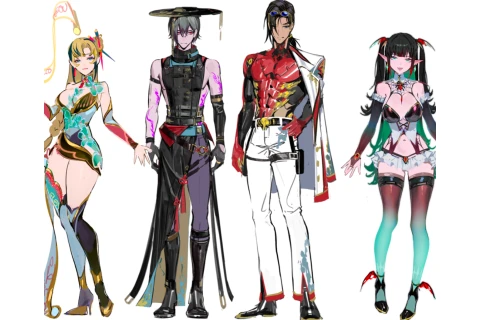 You’ve got a killer concept, but the final render feels flat. The materials don’t read, the lighting is uninspired, and the whole piece just doesn’t pop like industry-standard work. It’s a common frustration, and the fix often lies in a systematic approach you might be missing.
💡 Three Pro-Level Shifts for Impactful Character Art
1. Intentional Silhouette and Shape Language: The Foundation of Appeal
The visual impact of a character begins long before you even think about rendering. Focus on building a strong silhouette and distinct shape language from the very first sketch. This isn’t just about making a character look cool; it’s about communicating personality and ensuring your design reads clearly, even in black and white. Explore how variations in basic shapes can dramatically alter a character’s perceived mood and archetype. Most successful stylized characters leverage this fundamental principle to become instantly recognizable and engaging.
2. Reference Analysis: Beyond Pretty Pictures
Gathering references is crucial, but how you analyze them is where the magic happens. Don’t just collect images; actively deconstruct them. For materials, understand their refractive properties, surface textures, and how light interacts with them. For anatomy and posing, study the underlying structure and how it informs natural movement. The goal is to internalize the visual logic so you can apply it to your unique character designs, rather than simply copying. This systematic approach ensures your depictions are believable, even within a stylized framework.
3. Strategic Color and Lighting: Elevating the Block-In
The block-in stage is more than just laying down base colors. It’s your opportunity to define the mood, establish a compelling color palette, and plan your lighting. Choose colors that harmonize and create impact, and place them with intention. Dynamic lighting not only adds depth but can also reinforce your character’s silhouette and form. Think of this stage as building the visual narrative that your rendering will refine. A strong block-in makes the subsequent rendering process significantly smoother and more effective.
🛠️ Key Skills & Details That Define Professional Quality
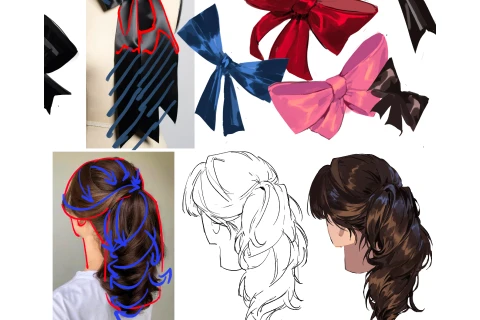
Translating stylized concepts into polished illustrations requires a blend of artistic vision and technical execution. This course dives deep into the practical application of rendering techniques that bring characters to life.
- Materiality Through Texture and Value: Understanding how different materials react to light is paramount. This involves not just picking the right colors but also mastering value control and textural application. For instance, rendering smooth metal requires sharp highlights and precise reflections, while fabric demands attention to fold structure and subtle shifts in color due to ambient light.
- Anatomy for Expressive Posing: Even stylized characters need believable anatomy to support dynamic poses. The course emphasizes using references to construct a solid anatomical base, ensuring that poses feel natural and convey the character’s intended emotion or action. This includes understanding how muscles and skin deform under pressure and how clothing drapes over the form.
- Lighting as a Storytelling Tool: Lighting isn’t just about illumination; it’s about shaping form and directing the viewer’s eye. You’ll learn to test various lighting setups, understand the impact of bounce light and subsurface scattering, and adjust overall contrast and brightness to create a cohesive and dramatic scene. This meticulous attention to light ensures your characters have depth and presence.
- Rendering Hair with Shape and Flow: Hair is often a defining feature. The focus here is on drawing hair with good shape language, treating it as a mass with planes and light interaction rather than individual strands. Techniques for rendering different hair types, incorporating highlights, and depicting ambient occlusion are covered to achieve a natural yet stylized look.
💬 Frequently Asked Questions
Q. As an Illustrator, how can I ensure my stylized character designs are eye-catching from the start?
Focus on developing a strong silhouette and clear shape language early in the concept phase. This foundational step ensures your character is visually appealing and communicates their essence effectively, even before color or rendering is applied.
Q. What’s the most efficient way for an Illustrator to use references for material rendering?
Instead of just collecting images, actively analyze how light interacts with those materials. Study their reflectivity, surface texture, and how ambient light affects their color. Internalize this visual logic to apply it accurately to your character designs, ensuring believability.
Q. How can an Illustrator effectively use color and lighting during the block-in stage to improve the final render?
Treat the block-in as a crucial storytelling step. Plan your color palette to create harmony and impact, and strategically place colors and lighting to define form and mood. A well-executed block-in lays the groundwork for a more intuitive and successful rendering process.