Illustrator Yue: Mastering Character Appeal for Your Art Brand
🧐 Ever feel your amazing art isn’t getting the eyes it deserves?
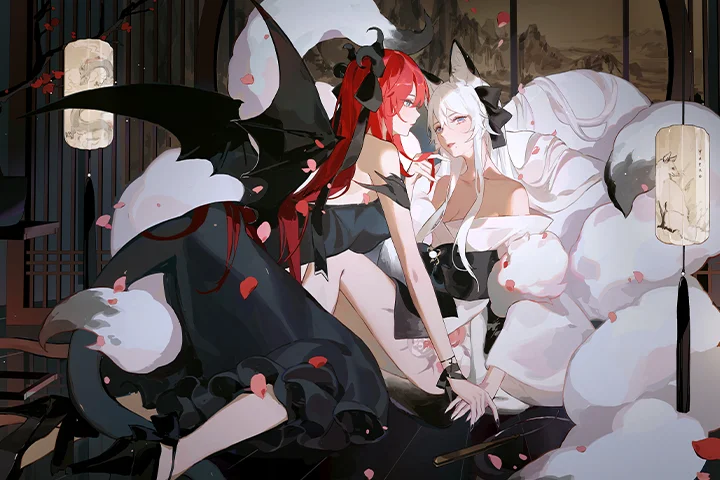
There’s often a disconnect between creating great art and getting it noticed. It’s frustrating when hours of work don’t translate into the engagement or opportunities you’re aiming for. Turns out, mastering the ‘how’ of visibility is as crucial as the ‘what’ of your art.
💡 Yue’s Three Pillars for Getting Noticed
The core strategy for online visibility boils down to three interconnected elements: Activity, Algorithm, and Appeal. Understanding and leveraging these can significantly boost your art’s reach.
1. Consistent Activity: Be Seen, Be Heard
-
The Principle: Regular online presence and interaction are key to cutting through the noise. It’s not just about posting your art; it’s about being an active participant in the creative community.
-
Method:
- Post Frequently: Aim for a consistent schedule, whether it’s daily, every other day, or three times a week. This keeps you visible and appeases platform algorithms.
- Engage Authentically: Interact with other artists whose work you admire. Genuine comments and connections foster community growth and mutual support.
- Leverage Trends: Participate in popular art challenges (like ‘art vs artist’ or ‘portfolio day’) or draw trending characters. This taps into existing audience interest.
- Community Events: Hosting or joining challenges like ‘Draw This In Your Style’ (DTIYS) or participating in raffles can significantly increase your visibility and attract new followers.
It’s not just about learning a posting technique; it’s about shifting your mindset to see yourself as an active member of a community, not just a broadcaster of your work.
2. Appeasing the Algorithm: Work Smarter, Not Just Harder
-
The Principle: Social media platforms have algorithms designed to curate content. Understanding their general principles helps your posts reach a wider audience.
-
Method:
- Utilize Platform Features: Early on, platforms heavily prioritized new features like Reels or Stories. While this changes, using a variety of features can still signal engagement to the algorithm.
- Consistency is Key: Algorithms tend to favor consistent output. Having a posting schedule helps maintain visibility. Think of it as building a reliable rhythm for your audience and the platform.
- Platform-Specific Optimization: Recognize that what works on one platform might not on another. For instance, easily recognizable square images and portraits with clear focal points often perform well on visual feeds like Instagram due to mobile viewing habits.
This isn’t about gaming the system, but understanding the system’s preferences to ensure your excellent art gets seen by more people who will appreciate it.
3. Cultivating Appeal: The Heart of Connection
- The Principle: Appeal is what makes people stop scrolling, engage with your art, and remember you. It’s the emotional and visual resonance your work creates.
- Method:
- Emotional Resonance: Evoke feelings—joy, awe, or relatability. This can be achieved through storytelling, intentional use of art fundamentals, or even fan art that taps into existing emotional connections with popular IPs.
- Visual Taste: While subjective, developing a style that resonates with a broader audience can be advantageous. However, finding your niche and dedicated fans is equally valid.
- Skill Demonstration: Highly detailed or complex work can impress viewers by implying a high level of skill, making it more captivating.
- Unique Concepts: Offer fresh ideas that haven’t been overdone. Novelty captures attention in a saturated market.
- Brand Alignment: If targeting specific companies or studios, drawing their characters or working within their established IPs demonstrates your capability and understanding of their brand. Think of it as a public art test.
- Personal Connection: Building a relationship with your audience through interaction and sharing your personal journey as a creator can foster a deeper connection and loyalty.
🛠️ Key Skills & Details That Define Professional Quality
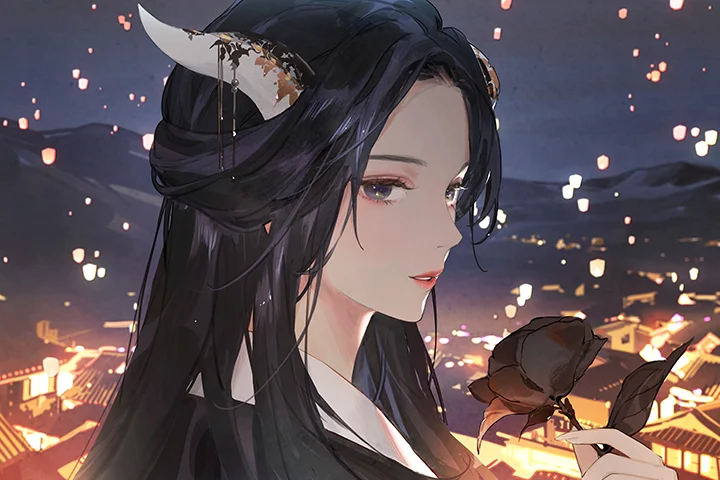
Elevating your artwork from good to professional often comes down to the subtle yet critical details in execution. Illustrator Yue emphasizes mastering core artistic principles and workflow habits that ensure consistent, high-quality output.
-
Face Structure and Expression:
- Analyze References Deeply: Study both stylized and realistic portraits. Break down what makes a portrait successful: pose, lighting, expression, and composition.
- Recreate for Understanding: Actively study and redraw existing artworks. This process helps internalize the underlying structures and techniques.
- Focus on Proportion and Placement: Even when working zoomed in, regularly zoom out to ensure your details serve the overall image. Subtle adjustments to mouth size, jawline placement, and eyebrow tension can drastically improve emotional impact and realism.
- Don’t Always Aim for ‘Pretty’: Remember that facial beauty isn’t always the goal. Sometimes, a more expressive or even imperfect face serves the character and narrative better, avoiding distraction. Control over features like lighting and shading is crucial for conveying emotion.
-
Hair Styling and Flow:
- Understand Hairlines and Partings: Pay attention to how hair naturally falls and is styled. Avoid drawing static, “grassy” textures; instead, focus on creating distinct partings and volume that feel organic.
- Visualize Strands from the Source: Ensure hair strands appear to emanate from natural points on the head, contributing to a more believable and dynamic look.
-
Compositional Awareness:
- The ‘Cake’ Analogy: Rendering details is important, but it shouldn’t overshadow the overall structure and appeal of the artwork. Prioritize the foundational elements—the ‘cake’—before perfecting the ‘icing’.
- Dynamic Elements: Effective use of lighting and shadow can define form and bring a character to life. Understanding how these elements interact with the face and body is critical for creating appealing visuals.
These techniques, when practiced consistently, are what truly elevate an illustration, making it resonate with viewers and stand out in a crowded digital space.
💬 Frequently Asked Questions
Q. How can I effectively analyze references to improve my character art?
Illustrator Yue suggests a two-step process: First, analyze your chosen references—both stylized and realistic—to identify specific elements that contribute to their appeal, such as pose, expression, and lighting. Second, actively recreate these elements through studies to internalize the techniques and understand how they function.
Q. What’s the most crucial advice for building an online presence as an artist?
Illustrator Yue emphasizes a balance of Activity, Algorithm awareness, and Appeal. Consistent posting and genuine engagement (Activity) help you get seen. Understanding how platform algorithms work (Algorithm) ensures your content reaches more people. Finally, cultivating genuine Appeal—whether emotional, visual, or skill-based—is what makes people connect with your work and want to follow you.
Q. How do I make my character art stand out when the anime style is so popular?
Illustrator Yue advises finding your Unique Appeal by developing your own distinct style. While understanding fundamentals like anatomy, color, and composition is essential, the key is to adapt these principles and find ways to inject your personal taste and creativity. This might involve exploring different stylization techniques, color palettes, or storytelling elements that set your work apart.