Illustrator ZQ’s Secret to Crafting Compelling Art Series
🧐 Ever feel like your illustrations, even when good, lack that cohesive story thread that truly captivates?
 You spend hours on individual pieces, but when viewed together, they don’t quite form a narrative. The challenge isn’t just drawing well; it’s weaving a consistent visual story across multiple works. This often stems from not having a clear direction from the outset, leading to a disconnect between individual pieces.
💡 Illustrator ZQ’s Core Strategies for Unified Illustration Series
1. The Power of a Single Theme: Building Blocks for Narrative
It’s not just about having a theme; it’s about dissecting it to its core elements. ZQ emphasizes breaking down a single concept into smaller, interconnected ideas. This approach ensures each illustration contributes to a larger, unified narrative rather than standing alone. Think of it as finding the distinct ‘chapters’ within your main story.
2. Mastering Visual Direction: Guiding the Viewer’s Eye
This goes beyond basic composition. ZQ focuses on intentionality, using space, gaze, and objects to direct the viewer’s attention, much like a film director. Understanding principles of visual balance and framing is crucial. For instance, explore how a character’s gaze can lead the viewer to a specific point or how negative space can create tension or calm. This intentionality is key to creating a strong visual flow between your artworks.
3. Creating a Hand-Drawn Feel Digitally: Authenticity in Every Stroke
Achieving an authentic, hand-drawn aesthetic with digital tools is a significant challenge. ZQ’s method involves specific techniques to imbue digital work with organic warmth and texture. This isn’t about replicating traditional tools perfectly, but about understanding how to leverage digital brushes and layering to achieve a unique, tangible quality that resonates with viewers.
🛠️ Key Skills & Details That Define Professional Quality
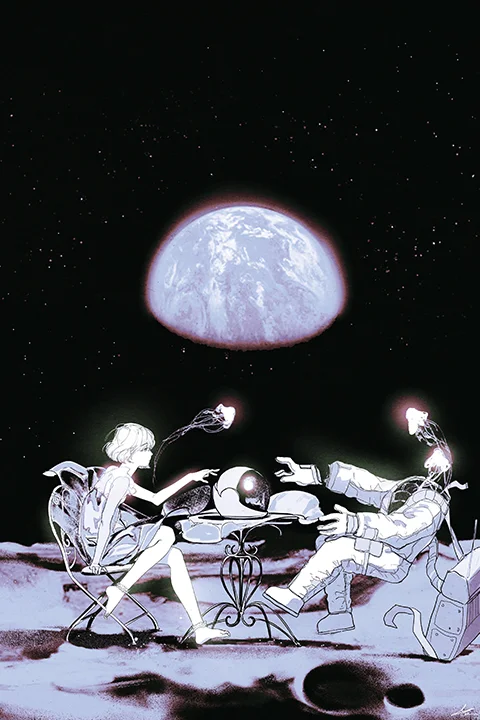
Elevating your illustrations from good to unforgettable hinges on mastering specific, practical skills. This isn’t about software features; it’s about how you wield them. For instance, when building a character-focused illustration, precise control over composition using practice files can drastically improve impact. Understanding spatial depth, achieved through intentional layering and perspective adjustments, adds believability. ZQ’s approach to creating a hand-drawn feel digitally involves thoughtful brushwork and texture application, ensuring each piece feels organic and deliberate. The use of original demonstration files provides a tangible learning experience, showcasing how these techniques are applied in real-time to build narrative depth and visual interest, making your series stand out.
💬 Frequently Asked Questions
Q. How can an Illustrator ensure their series illustrations feel connected, even with different compositions?
An Illustrator can ensure connection by establishing a strong overarching theme and visual motifs that appear consistently. This includes using a similar color palette, recurring character designs, or thematic elements that tie each piece together narratively. Developing a clear visual direction for the series from the start is paramount.
Q. What are the five key elements of visual storytelling an Illustrator should focus on?
An Illustrator focusing on visual storytelling should prioritize: 1. Concept Development (the core idea), 2. Composition and Framing (guiding the eye), 3. Character Expression and Gaze (conveying emotion and intent), 4. Lighting and Color (setting mood and atmosphere), and 5. Narrative Flow (ensuring a logical progression of events or ideas).
Q. How does an Illustrator create a distinct mood or narrative with a series of illustrations?
An Illustrator creates a distinct mood or narrative by consistently applying specific artistic choices across the series. This involves deliberate use of color theory to evoke emotions, strategic lighting to create atmosphere, intentional character poses and expressions to convey story, and dynamic composition to guide the viewer’s perception. Each element should serve the overall story being told.