Mastering Character Animation: Essential Photoshop & After Effects Workflows
🧐 When your characters move, but lack that spark of life…
 The struggle is real: you’ve got the design down, but bringing your character to life feels clunky, stiff, or just plain uninspired. You’ve followed tutorials, but that “wow” factor remains elusive. This isn’t about a lack of effort; it’s often about a gap in understanding fundamental principles that truly make animation sing. The key isn’t more complex software tricks, but a refined approach to core animation mechanics.
💡 3 Expert Tips to Elevate Your Character Animation
1. Nail the Fundamentals: Structure is Everything
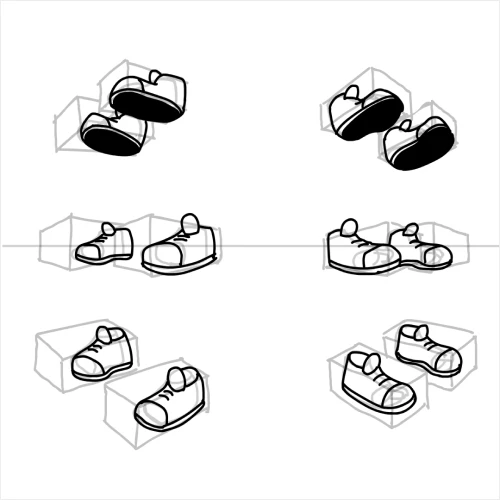
It’s not just about drawing; it’s about understanding how your character’s structure supports emotion and action. Focus on the head, hands, and feet first – these areas convey a massive amount of personality and intent. Mastering these basics, even with simple movements like a wave, builds the foundation for complex sequences. Think of it as building a strong skeleton before adding the flesh.
2. Timing & Spacing: The Secret Sauce to Believability
This is where the magic happens. Learn to manipulate timing (how long an action takes) and spacing (how far an object moves between frames) to convey weight, speed, and emotion. A character running will have very different timing and spacing from one walking casually. Experimenting with these two elements, even on simple exercises like a jump, will drastically improve the fluidity and impact of your animations.
3. The Emotional Arc: Beyond Physical Movement
Characters aren’t just moving; they’re feeling. This course emphasizes translating emotional states into physical performance. Subtle shifts in weight, a slight head tilt, or the micro-expressions on a face can tell a story without a single word. Understanding how to layer emotion onto physical animation is what transforms a technical exercise into compelling storytelling.
🛠️ Key Skills & Details That Define Professional Quality
To achieve that professional polish, it’s all about the details and the workflow.
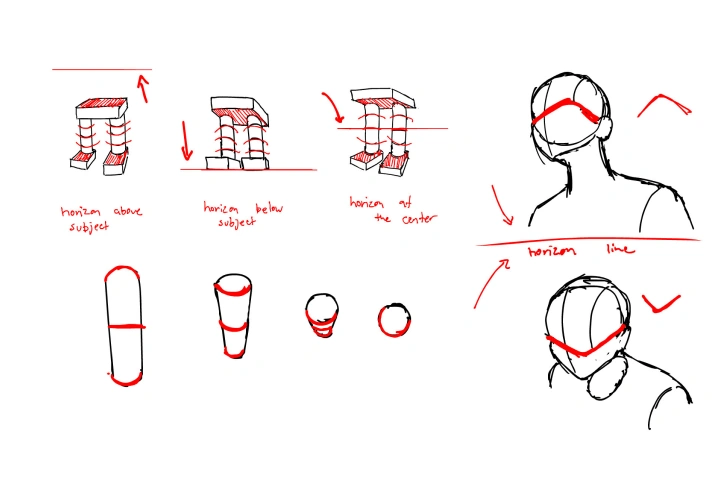
- Anatomy as Your Blueprint: Before animating complex actions, deeply understand the body’s mechanics. This means knowing how weight shifts, how joints move, and how the skeleton supports each pose. Practicing basic structures like heads, hands, and feet isn’t just busywork; it’s the foundation for believable full-body animation.
- The Power of Key Poses & Breakdowns: Professional animation relies on defining strong key poses that communicate the essence of an action. Breakdowns then bridge these key poses, ensuring smooth transitions. Mastering this process, especially when dealing with multiple key poses in a sequence, prevents awkward jumps and improves the overall flow.
- Easing In & Out: Don’t let your animations feel robotic. Apply easing techniques to create natural acceleration and deceleration. This subtle adjustment makes movements feel organic and responsive, crucial for everything from a character picking up an object to a full run cycle.
- Facial Expressions for Storytelling: A character’s face is a canvas for emotion. Learn to animate a range of expressions, from subtle smiles to dramatic frowns, ensuring they align with the character’s personality and the scene’s narrative. This adds depth and connection for the viewer.
💬 Frequently Asked Questions
Q. How does a Motion Designer use Photoshop and After Effects for character animation effectively? A. A Motion Designer leverages Photoshop for character asset preparation and After Effects for rigging, animating, and compositing. The workflow often involves creating layered character files in Photoshop, importing them into After Effects, and then applying animation principles like timing, spacing, and posing to bring them to life. Understanding the interplay between these tools is crucial.
Q. What’s the most challenging aspect of frame-by-frame character animation for beginners, and how does this course address it? A. For beginners, the challenge often lies in understanding body mechanics and translating static poses into fluid motion. This course breaks down complex concepts into manageable steps, starting with foundational structures (head, hands, feet) and progressing to full body animation. It emphasizes practice through specific exercises like walk cycles and facial expressions to build confidence and skill.
Q. Can this course help me animate characters with emotional depth, not just physical movement? A. Absolutely. The course focuses on making characters physically and emotionally impactful. Beyond just timing and spacing, it teaches how to use subtle movements, expressions, and posing to convey a character’s feelings and personality, transforming technical animation into engaging storytelling.