💡 3 Core Strategies for Superior Motion Design Pre-Production
1. Deconstruct and Reconstruct: The Core of Creative Concepting
The process of developing a powerful concept involves taking a given topic, deconstructing it into its core components, and then meticulously reconstructing it. This iterative rhythm is fundamental to creativity. For instance, when tasked with a channel ID, break it down into themes like ‘infinite challenge,’ ‘global content,’ and ‘maritime influence.’ Then, creatively recombine these elements to form a cohesive narrative. This approach ensures your concept isn’t just superficial but deeply rooted and layered, much like the example of developing the ‘underworld’ concept.
2. Motif Mastery: Consistency is Key to Brand Recall
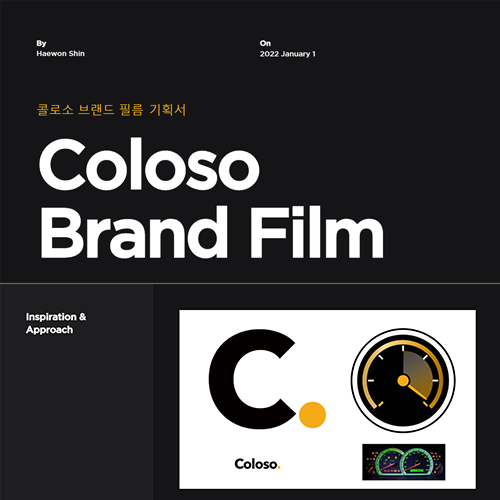
Leveraging a singular motif – whether a form or a concept – creates a memorable brand impression. Repetition of a visual element, like a specific shape or color, subconsciously reinforces brand identity. For example, using the ‘C’ from a brand logo and connecting it to an ‘accelerator gauge’ on a car’s dashboard creates a subtle yet powerful brand association. Consistency in applying these graphic elements throughout your pre-production and final animation is crucial for leaving a lasting impact.
3. The Strategic Brief: Bridging Client Needs with Creative Vision
A well-crafted brief is the bedrock of successful client collaboration. It starts by clearly identifying the client’s current situation, needs, and any existing shortcomings. Then, it outlines a compelling solution that justifies the project’s existence. This includes defining the project’s goal, proposing a clear strategy, and detailing the creative direction. By framing the concept, inspiration, and execution approach within a structured brief, you ensure alignment and clear communication, setting the stage for a successful project from the outset.
🛠️ Key Skills & Details That Define Professional Quality
Art Director Haewon Shin stresses that truly professional motion design relies on a deep understanding of fundamental design principles applied practically. This goes beyond simply knowing software features.
- Concept Development: Master the art of deconstructing a brief into core themes and then creatively reconstructing them into a compelling concept. This iterative process, as demonstrated with the MBC channel ID example, involves expanding and contracting ideas to find the most resonant narrative.
- Motif Application: Learn to consistently integrate a chosen visual motif across all stages of pre-production and final output. This could involve subtle graphical elements or recurring shapes that reinforce brand identity and recall. The careful application of a ‘yellow circle’ as a motif for one brand, for instance, directly ties into their ‘open possibilities’ slogan.
- Storyboard Precision: Develop your ability to translate concepts into clear, actionable storyboards. This involves not just drawing frames but conveying the intended message, visual style, and narrative flow. The use of style frames, derived from the storyboard, further refines the visual language and ensures client alignment before animation begins.
- Visual Language and Style: Understand how to define and apply a consistent visual language. This involves selecting color palettes, typography, and graphical elements that support the core concept. For abstract projects, semantically grounding these choices ensures clarity and impact.
- Strategic Communication: Practice presenting your plans and concepts through well-structured proposals and briefs. This includes clearly articulating the client’s needs, your proposed solution, creative direction, and visual concepts, often supported by mood boards and style frames.
💬 Frequently Asked Questions
Q. Art Director Haewon Shin, why is ‘pre-production’ the focus of this class?
A. Art Director Haewon Shin emphasizes that strong pre-production, particularly planning and 2D artwork, forms the essential foundation for high-value motion graphics. Mastering these stages ensures projects have a clear concept and direction, moving beyond mere technical execution.
Q. Art Director Haewon Shin, what makes this class’s approach to ‘motif’ unique?
A. Art Director Haewon Shin highlights the importance of consistency in motif application. They demonstrate how a single, well-chosen visual motif, when consistently integrated from concept to final animation, significantly enhances brand recall and reinforces the project’s core message.
Q. Art Director Haewon Shin, how does this course help in client communication?
A. Art Director Haewon Shin teaches the strategic use of project briefs and proposals. By clearly outlining the client’s situation, needs, proposed solutions, and creative direction, the course equips participants with the skills to effectively communicate their vision and secure client buy-in.