🛠️ Key Skills & Details That Define Professional Quality
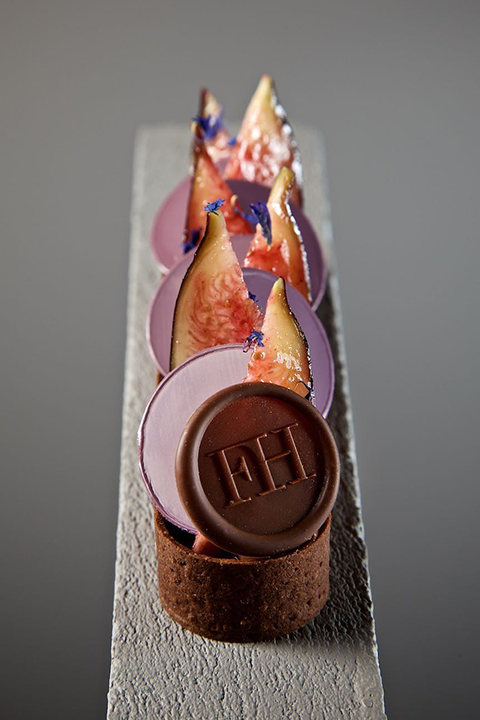
Mastering whipped ganache involves more than just following a recipe; it’s about understanding the science behind each step. Pastrychef Haasnoot’s approach highlights several critical techniques:
- Precise Temperature Control: Whether melting gelatin or tempering chocolate, maintaining the correct temperatures is paramount. For instance, ensuring the bloomed gelatin is fully dissolved at approximately 60°C prevents lumps. Similarly, understanding tempering temperatures (30-32°C for dark chocolate) is key for creating decorations that hold their shape and possess a desirable snap.
- Strategic Ingredient Substitution: The decision to replace some cream with milk in dark chocolate ganache is a prime example of professional adaptation. It’s about understanding how the fat and intensity of the chocolate interact with the dairy, leading to a lighter, more balanced result. This principle extends to other ganaches where understanding ingredient properties allows for customization.
- The Art of Piping: Once the ganache reaches the desired consistency – soft enough to pipe but firm enough to hold its shape – proper piping is essential. Pastrychef Haasnoot demonstrates filling the piping bag carefully, ensuring no air pockets, and piping with controlled pressure. The goal is a smooth, even application, whether it’s onto a mango compote base or as a decorative element. The fact that the gelatin will help it set later means you can aim for a softer initial piping consistency than you might with regular whipped cream.
- Oven Management for Financiers: For components like financiers, baking at around 200°C for approximately 20 minutes is a standard. However, Pastrychef Haasnoot also notes the importance of letting the dough rest for at least a day before baking. This allows the high fat content to properly integrate, preventing a greasy interior and ensuring a firmer texture that can support other pastry elements. He also emphasizes a clean cut after baking for a professional finish.
💬 Frequently Asked Questions
Q. Pastrychef, how can I prevent my whipped ganache from becoming too soft after piping?
A. Ensure you’re using gelatin, as demonstrated in Pastrychef Haasnoot’s method. The correct ratio (1
gelatin to water for 200 bloom) and complete dissolution are crucial. Additionally, chilling the ganache overnight with plastic wrap directly on the surface helps it set properly, providing the necessary stability for piping and holding its shape.Q. Pastrychef, what’s the best way to temper chocolate for decorations without a machine?
A. Pastrychef Haasnoot advocates for the seeding technique or tempering on a marble slab. For the marble method, pour two-thirds of your melted chocolate onto a cool marble surface and continuously agitate it with a spatula to cool and crystallize it. Reintroduce this tempered chocolate back into the remaining warm chocolate, stirring until the entire batch is tempered (around 30-32°C for dark chocolate). This ensures a stable, glossy finish for your decorations.
Q. Pastrychef, my financiers are often too greasy inside. What am I doing wrong?
A. Pastrychef Haasnoot explains that baking the financier batter immediately after mixing can lead to greasiness. The key is to prepare the batter at least one day in advance and let it rest. This resting period allows the ingredients, especially the butter and fat, to integrate properly. Baking the rested batter ensures a firmer texture and prevents the greasy interior often found in freshly made financiers.