💡 Three Core Principles for Stunning Whipped Cream Cakes
1. The Genoise Foundation: It’s All About Air Capture and Weight
The genoise sponge is the unsung hero. Achieving a consistently light and airy texture hinges on air capture during the egg-foaming stage. Tip: Gently warm your eggs and sugar to around 36°C-40°C in a double boiler. This flexibility allows for easier air incorporation. Crucially, weigh your batter precisely. A target weight, like 44g for a vanilla genoise, ensures repeatable results and the exact texture you desire. This isn’t just about following a recipe; it’s about controlling the batter’s density for predictable outcomes.
2. Cream Formulation: Tailoring Consistency for Every Design
Don’t treat all whipped cream the same. The key is understanding cream density and adjusting it for different applications. Tip: For structural integrity in tiered cakes, aim for a slightly tougher cream consistency. When building layers, use a mascarpone base enriched with a touch of kirsch for depth. Remember, humidity impacts cream; aim for a room temperature between 18°C and 21°C for optimal whipping. This attention to cream formulation prevents sagging and ensures smooth, stable finishes.
3. The Finishing Touch: Intentional Icing and Decoration
Professional cakes have a deliberate artistry. It’s not just about covering the cake, but about controlled application and thoughtful decoration. Tip: After chilling the cake for at least 30 minutes post-assembly, apply icing with a consistent downward motion, turning the turntable steadily. For texture, experiment with a scraper for vertical patterns. When adding delicate elements like fresh flowers, consider their placement for color balance and visual flow, using tweezers for precision and securing them with a touch of cream or even edible glue.
🛠️ Key Skills & Details That Define Professional Quality
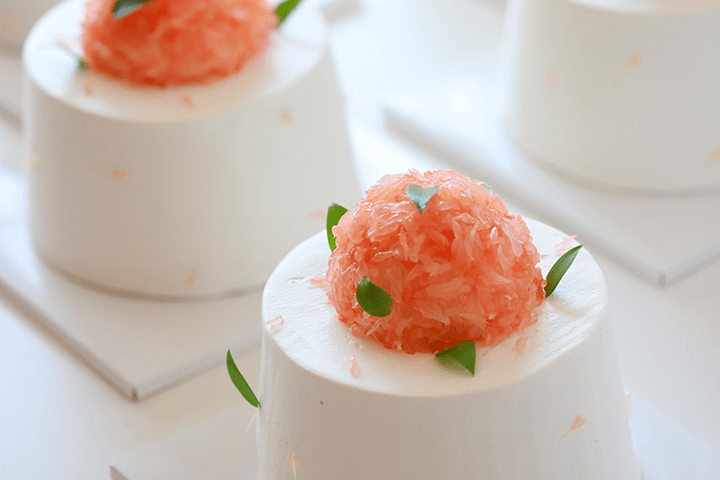
Beyond the core techniques, professional whipped cream cakes showcase a nuanced understanding of ingredient interaction and precise execution. This involves meticulous preparation of the genoise layers, ensuring they are perfectly baked and stored. Weighing ingredients is paramount; a difference of a few grams can significantly alter the cake’s final texture and stability. For instance, controlling the butter and milk temperature when making genoise is critical – too cold results in a dense cake, while too hot can cause it to sink.
When it comes to cream, the skill lies in achieving the correct consistency for each specific use, whether it’s a stable base for stacking, a smooth finish for piping, or a delicate purée-infused cream for flavor. This often means carefully monitoring whipping times and temperatures, and understanding how additions like mascarpone or purées affect the overall structure.
Finally, the decorative elements, whether piped patterns or carefully placed edible flowers, demonstrate a keen eye for design and composition. This involves not just technical skill in piping or arranging, but an understanding of color theory and balance to create a visually appealing final product that speaks to the occasion.
💬 Frequently Asked Questions
Q. How can Pastrychef ensure consistent genoise texture, even when scaling recipes?
Pastrychef emphasizes the importance of weighing all ingredients, especially the final batter, to a specific target. This granular control over batter weight ensures that despite variations in ingredient humidity or batch size, the resulting genoise will consistently possess the desired lightness and texture.
Q. What’s Pastrychef’s secret for preventing whipped cream from becoming unstable or grainy?
Pastrychef’s approach focuses on temperature control and understanding the fat content of the cream. Ensuring the working environment is cool (18°C-21°C) and that the cream itself is thoroughly chilled are fundamental. Additionally, careful whipping, avoiding over-whipping which can lead to graininess or separation, is key. The addition of stabilizers like mascarpone or a touch of gelatin, as detailed in specific recipes, also plays a crucial role in maintaining a smooth, stable cream.
Q. Beyond basic icing, how can Pastrychef achieve unique visual textures on whipped cream cakes?
Pastrychef demonstrates using various tools and techniques for textural effects. For instance, employing a scraper at an angle while rotating the turntable can create clean vertical lines or wave patterns. The quenelle technique, using a warmed spoon, allows for elegant, sculpted dollops of cream that add a sophisticated, three-dimensional element, especially effective when using slightly thicker cream.