💡 Three Game-Changing Tips from Salt House Experts
1. Precision Curing: The Foundation of Flavor
The difference between good and exceptional processed meat lies in the fundamentals. Restaurantexperts George Durham and Younghoon Cho emphasize that understanding the science of curing – controlling salt, curing salts, and time – is paramount. This isn’t just about preservation; it’s about developing complex, nuanced flavors and the perfect texture. For instance, in making amatriciana, the guanciale is key; rendering its fat slowly ensures it infuses the sauce without becoming tough.
2. Efficient Assembly: Streamlining Charcuterie Boards
Creating an impressive charcuterie board doesn’t have to be a time sink. Restaurantexperts reveal their method for rapid yet visually stunning boards. The trick is thoughtful component placement and preparation. For example, pre-making a simple cherry compote (simmering red wine, sugar, and dried cherries for just 5 minutes) allows for quick assembly later. Balancing cured meats, cheeses, sweet elements, pickles, and nuts creates an easy-to-eat, visually appealing spread.
3. The Smoke Nuance: Hot Smoking for Depth
Achieving a superior smoked flavor, especially for items like pastrami, requires mastering hot smoking temperatures. Restaurantexperts highlight the ideal range of 107°C (225°F) for the smoker’s internal temperature. They demonstrate how to use a smoker tube with wood pellets (hickory for strong flavor, fruit woods for lighter notes) within a standard grill. Crucially, they advise keeping the product away from direct heat and monitoring temperatures closely to avoid overcooking, which leads to dry meat. The target internal temperature for pastrami is 65°C (150°F).
🛠️ Key Skills & Details That Define Professional Quality
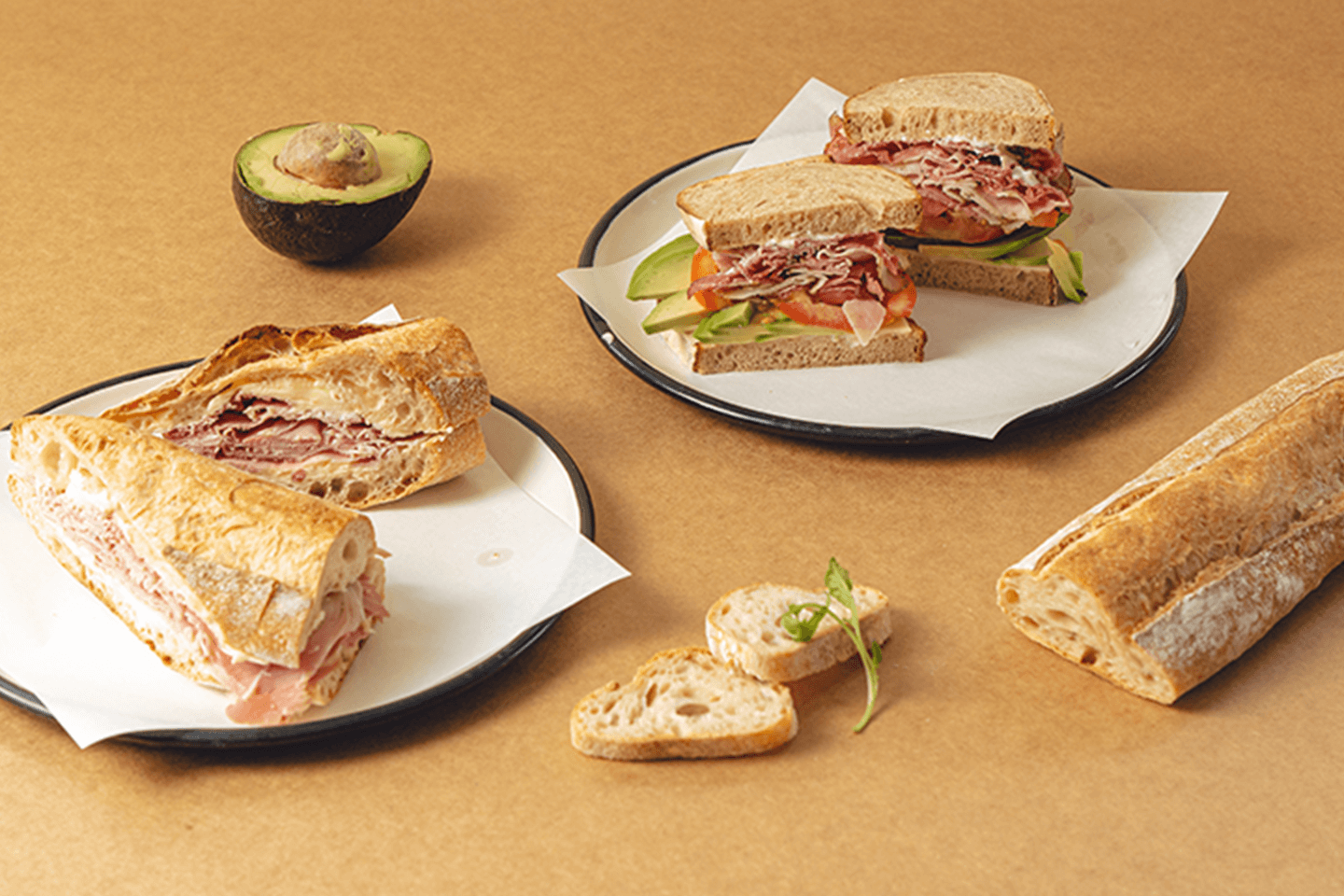
Delving into Salt House’s approach means understanding the practical application of these principles. For sandwich making, the quality of each ingredient is magnified. A truly fresh baguette, sliced thinly, forms the perfect base for a jambon beurre. The butter’s temperature is critical; too cold and it tears the bread, too soft and it melts incorrectly. Restaurantexperts advocate for generous amounts of butter, around 40g for a baguette. For pastrami sandwiches, thinly sliced brisket pastrami, piled loosely, provides both flavor and volume. Utilizing mayonnaise as a moisture barrier on the bread is a simple yet effective technique that prevents sogginess. Slicing avocado with precision, as demonstrated by dragging the knife tip to avoid pulling, ensures even distribution. These details, often overlooked, are what elevate a sandwich from ordinary to extraordinary.
💬 Frequently Asked Questions
Q. Restaurantexperts, what’s the most common mistake beginners make when attempting hot smoking at home?
A. Restaurantexperts often see beginners struggling to maintain a consistent, low temperature. Grills can easily overheat, leading to dried-out meat instead of perfectly smoked results. Using a smoker tube and carefully managing charcoal placement, aiming for an internal temperature around 107°C, is key to preventing this.
Q. Restaurantexperts, how can I make my charcuterie boards more visually appealing without spending hours on assembly?
A. Restaurantexperts advise focusing on contrasting colors and textures, and grouping complementary items together. Pre-preparing elements like a quick compote or ensuring cheeses and meats are sliced appropriately beforehand speeds up the process. Think of it as telling a delicious story on the board, with each component playing a role.
Q. Restaurantexperts, is a meat slicer absolutely necessary for making great deli meats at home?
A. While a meat slicer offers significant advantages for achieving uniform, thin slices (essential for items like jambon), it’s not strictly mandatory. Restaurantexperts note that with a very sharp knife and practice, you can achieve good results by hand, especially for less delicate cuts. However, for the signature thinness of items like jambon or pastrami, a slicer is a worthwhile investment.