🛠️ Key Skills & Details That Define Professional Quality
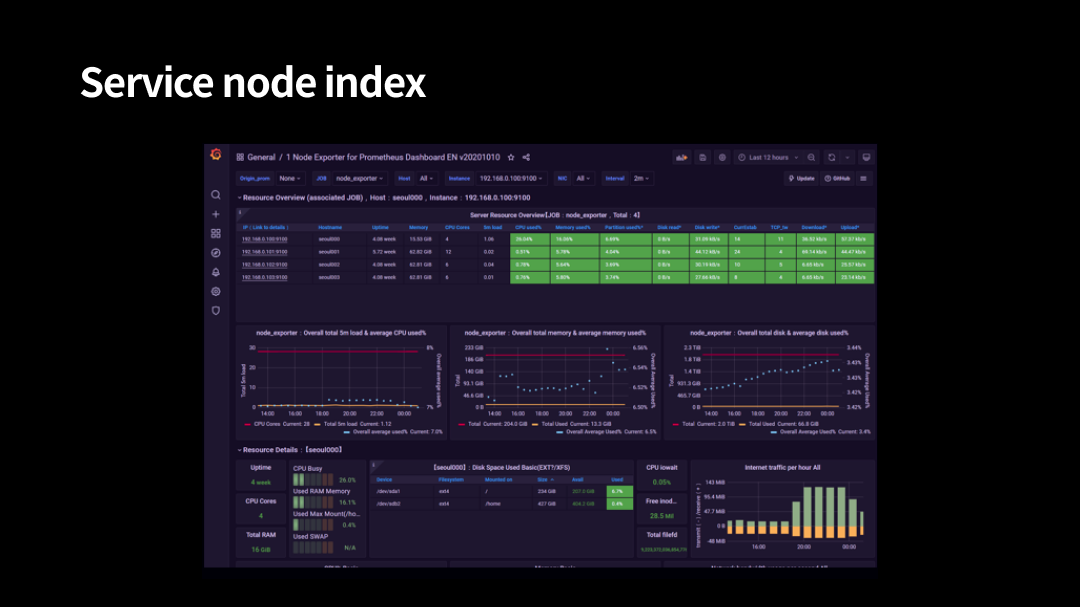
Softwareengineer Daemyeong Kang’s approach to building high-capacity services is deeply rooted in practical, hands-on experience. They emphasize that mastering tools like Terraform and Ansible isn’t just about syntax, but about understanding how they automate complex infrastructure deployments. For instance, using Terraform to define EC2 instances and Security Groups, then feeding those dynamic IPs into Ansible playbooks for GeoIP service setup, demonstrates a powerful IaC workflow. Daemyeong Kang’s routine involves creating a create_hosts.py script to dynamically manage IPs for Ansible, showcasing a practical way to handle environment configurations. This focus on automation and dynamic resource management, from initial infrastructure provisioning with Terraform to application deployment with Ansible and containerization with Docker, is key to building scalable and maintainable systems. They also highlight the importance of creating base AMIs using tools like Packer, which streamlines the auto-scaling process by providing pre-configured images, thereby reducing server startup times significantly. This holistic approach, combining infrastructure definition, automated deployment, and robust monitoring, truly defines professional quality in backend engineering.
💬 Frequently Asked Questions
Q. What is the core difference between Terraform and Ansible according to Softwareengineer Daemyeong Kang?
A. Softwareengineer Daemyeong Kang explains that Terraform is primarily for infrastructure provisioning (like setting up servers and networks), while Ansible excels at configuration management and application deployment on those servers. Terraform defines the ‘what’, and Ansible manages the ‘how’ of getting applications running on that infrastructure.
Q. How can I set up a reliable Redis environment for high traffic, based on Softwareengineer Daemyeong Kang’s advice?
A. Softwareengineer Daemyeong Kang suggests focusing on Redis’s data structures and implementing strategies to handle issues like Hot Keys and Cache Stampedes. Key practices include using techniques like ‘Multi-Write, Read One’ for Hot Keys and employing asynchronous queues to manage database load, which helps maintain consistent performance under heavy traffic.
Q. What’s Softwareengineer Daemyeong Kang’s best tip for ensuring service availability during failures?
A. Softwareengineer Daemyeong Kang strongly advises prioritizing robust monitoring and implementing effective failover mechanisms. This involves using tools like Prometheus and Grafana to track system health and set up alerts, alongside strategies like circuit breakers and failover protocols to ensure services remain accessible even if individual components encounter issues.