Unlock Dynamic Poses: SolKorra’s Secrets to Capturing Stylized Movement
🧐 When Structure Trumps Motion: The Common Pitfall in Character Drawing
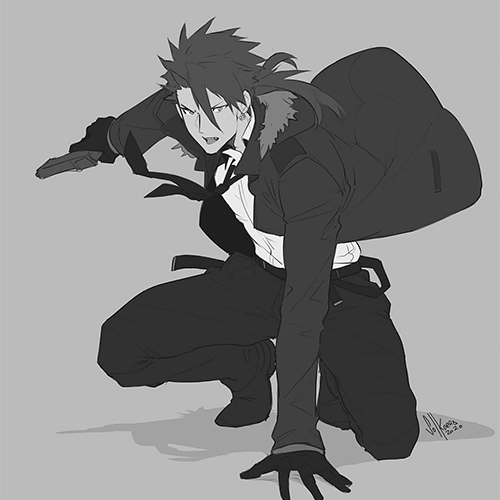 You meticulously focus on anatomy, but your characters still lack that vital spark of life. It’s a frustrating cycle where perfect structure feels stiff, and dynamic poses lose their impact. The core issue often lies in how we prioritize anatomical accuracy over the essential flow and energy of movement.
💡 SolKorra’s Trio of Essential Techniques for Dynamic Drawing
1. Embrace the Gesture: Prioritize Flow Over Form
It’s not just about learning the technique — it’s about shifting how you think about the drawing process itself. SolKorra emphasizes that gesture drawing is the bedrock of capturing energy. Instead of getting bogged down in anatomical details early on, focus on the overarching lines of action and the overall silhouette that convey motion. This approach allows for faster, more expressive sketching, helping you overcome the frustration of stiff poses.
2. Stylized Anatomy for Maximum Impact: Sacrificing Precision for Power
SolKorra’s workflow demonstrates a crucial balance: understanding when to simplify or exaggerate anatomy to enhance movement. The key here is not to ignore anatomy, but to adapt it. Learn to identify which anatomical elements can be stylized or even slightly distorted to amplify the sense of dynamism and energy in your character poses, making them more compelling and readable.
3. The ‘Action Line’ Principle: Guiding the Viewer’s Eye
The final polish involves using lines not just to define form, but to actively direct the viewer’s gaze and communicate the character’s intended movement. SolKorra shows how to consciously apply these ‘action lines’ to create a sense of rhythm and flow, ensuring that even complex poses feel natural and engaging. This attention to line work is what transforms a static drawing into a dynamic one.
🛠️ Key Skills & Details That Define Professional Quality
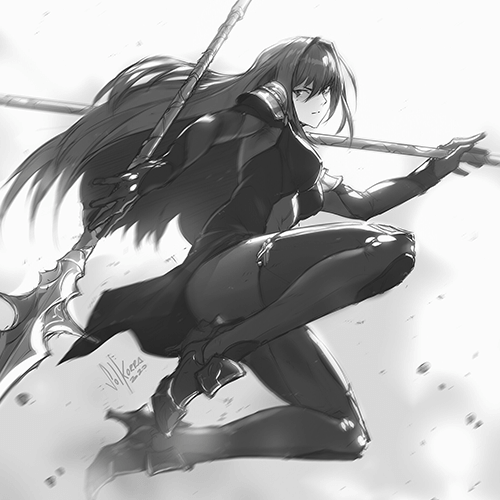
SolKorra’s approach to digital illustration hones in on practical, workflow-enhancing techniques. For drawing, this means mastering gesture sketching and developing clean, fast lines that convey energy efficiently. The expert highlights how to balance simplified, stylized anatomy with dynamic poses, ensuring that characters look natural even in exaggerated actions. A key takeaway is understanding composition not just as arrangement, but as a tool to amplify character movement and storytelling, integrating objects and expressions seamlessly. This practical application of theory, focusing on efficiency and impactful detail, is what distinguishes professional-level work in the field.
💬 Frequently Asked Questions
Q. Storyboardartist SolKorra, what is the most important takeaway from this class for beginners?
Storyboardartist SolKorra’s most important takeaway for beginners is to develop resilience against drawing frustration by shifting their approach to art. The focus should be on energy, flow, and movement, rather than getting bogged down solely in anatomical structure. Learning to embrace a different perspective on art can significantly improve their drawing process and final results.
Q. Storyboardartist SolKorra, how can I practice gesture drawing effectively to improve my character poses?
Storyboardartist SolKorra suggests practicing gesture drawing by focusing on quick sketches and emphasizing the lines of action and overall silhouette. The key is to sacrifice some anatomical accuracy for a stronger sense of motion. Regularly practicing timed sketches helps develop speed and a better feel for capturing dynamic energy in poses, making them more solid and expressive.
Q. Storyboardartist SolKorra, what are the benefits of combining stylized anatomy with dynamic poses?
Storyboardartist SolKorra explains that combining stylized anatomy with dynamic poses allows artists to create more impactful and visually interesting characters. By selectively simplifying or exaggerating anatomical features, artists can amplify the sense of movement and energy. This approach ensures that characters, even in exaggerated actions, appear natural and captivating, effectively guiding the viewer’s eye through the composition.