💡 Three Golden Nuggets for Industry-Ready Art
Visualdevelopmentartist Anh Bui, who has worked with major players in the animation world, breaks down how to translate artistic skill into a viable industry career. Here are three core takeaways:
1. The Art of Imperfection: Embracing Realistic Creation
It’s not just about knowing the rules of shape language and color theory; it’s about understanding when and how to intentionally break them. Anh emphasizes that creating compelling art often involves embracing the “mess” and learning from mistakes. The key is intentionality. Every brush stroke, every color choice, should serve the narrative. Don’t just paint; think about the story your art is telling. Detaching yourself from the work to serve the needs of the piece is a crucial mindset shift.
2. Foolproof Workflow: Streamlining Your Process
Professional output demands efficiency. Anh reveals how to leverage tools and techniques to create a smoother workflow. This includes setting up perspective grids effectively, organizing layers for clarity and speed, and utilizing Photoshop tools and tricks that aren’t always obvious. Discovering your unique creative process within these established frameworks is how you’ll cut down production time without sacrificing quality. This isn’t about learning software; it’s about building a system that supports your creativity.
3. The Narrative Compass: Art That Serves the Story
At its core, visual development is about serving the narrative. Whether designing a prop, environment, or character, ask yourself: “How does this element advance the story?” Anh stresses the importance of keeping the story at the forefront from initial reference gathering to final details. This means creating mood boards with purpose, making thumbnail sketches that explore story beats, and designing elements that feel organically part of the world. A portfolio piece isn’t just a pretty picture; it’s a solved problem for a narrative.
🛠️ Key Skills & Details That Define Professional Quality
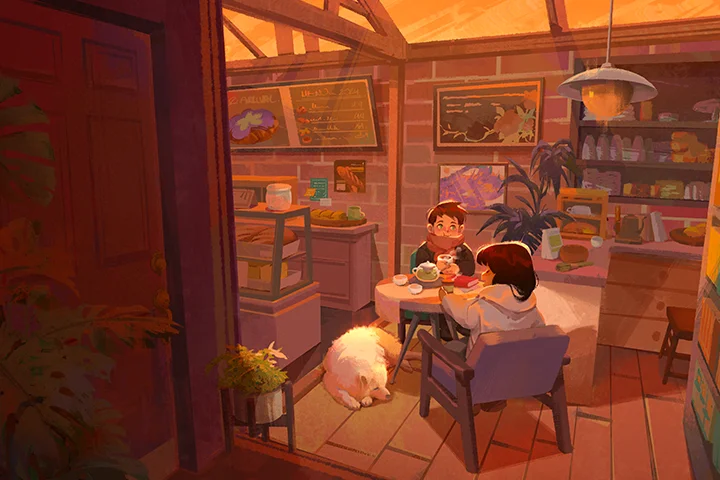
Moving beyond theoretical knowledge, success in visual development hinges on practical application and a deep understanding of industry workflows. This involves mastering specific techniques that translate directly into portfolio-ready assets.
For environment design, it’s about more than just a beautiful painting. It’s about establishing a clear sense of scale and proportion, exploring stylized elements that fit the project’s tone, and designing unique props that tell a story. Anh highlights how understanding common mistakes in these areas – like anachronistic details or inconsistent scale – can be the difference between a good piece and a great one. The process involves clarifying your vision during brainstorming, selecting a harmonious palette, and knowing precisely when to stop rendering for maximum impact, ensuring the set design serves the narrative and feels lived-in with details and characters.
Character design requires embodying the story’s vision through compelling personalities. This involves not just the final look, but also designing characters with distinct personalities and ensuring they fit within their world. Anh emphasizes understanding the nuances of color temperatures and local colors, and the strategic use of lighting to bring characters to life. It’s about influencing the viewer’s eye to achieve a stylized design while infusing your personal taste to create a believable and engaging character.
For prop design, it’s about creating variations and exploring different functionalities that support the narrative. This includes sketching initial concepts, refining details, and ensuring the prop feels both unique and appropriate for its context. The goal is to deliver a fully rendered prop with variation sketches, showcasing its adaptability and design thinking.
Throughout all these disciplines, prep work is non-negotiable. Gathering relevant references, creating focused mood boards, setting up accurate perspective grids, and generating numerous thumbnail sketches are the foundational steps that prevent costly rework later. These practices ensure that the final artwork is not only visually appealing but also strategically sound and deeply integrated into the project’s storytelling goals.
💬 Frequently Asked Questions
Q. What’s the most common mistake Visualdevelopmentartist newcomers make when building their portfolio?
Visualdevelopmentartist Anh Bui often sees aspiring artists focusing too heavily on rendering technique without a strong narrative foundation. It’s crucial to remember that industry needs art that solves story problems. Ensure each piece in your portfolio clearly communicates a narrative or mood, rather than just showcasing technical skill in isolation.
Q. How can a self-taught artist effectively bridge the gap between personal art and industry standards?
Visualdevelopmentartist Anh Bui’s journey exemplifies this. The key is to actively seek out industry-specific knowledge. This means studying the pipelines of studios you admire, understanding the roles of different departments, and practicing with assignments that mimic real production tasks. Paying attention to workflow efficiency, such as layer organization and file management, is as important as artistic execution.
Q. What’s the best way to approach environment design for a specific mood or atmosphere?
Visualdevelopmentartist Anh Bui suggests starting with strong references and a clear mood board. Beyond just visual inspiration, consider the emotional impact you want to evoke. Analyze how color temperature, lighting, and compositional elements contribute to atmosphere in films or games you admire. Practice translating these observations into your own work through deliberate palette choices and lighting studies.
👉 Want to Go Deeper?
If you’re serious about breaking into the animation industry and want to learn the practical, real-world techniques used by professionals, diving into the full curriculum is your next step.