Webcomic Expressions: Master Dramatic Facial Artistry
🧐 The Struggle to Make Faces Truly Speak
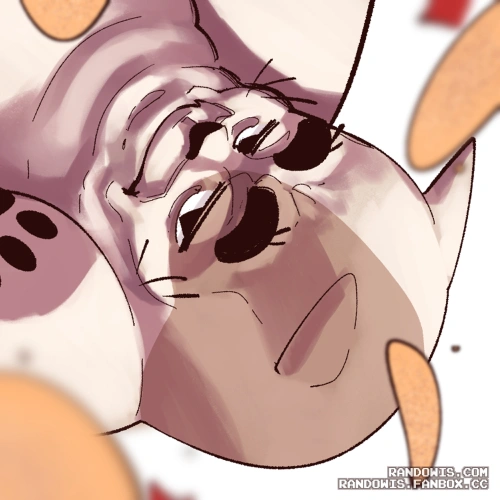 You nail the anatomy, the linework is clean, but your character’s expressions still feel a bit… flat. You’re aiming for drama, for impact, but it’s not quite landing. The subtle nuances that tell a story through a character’s face often get lost in translation. It’s a common hurdle: moving beyond basic emotions to create genuinely impactful expressions that serve your narrative.
💡 Three Expert Tips for Dynamic Character Expressions
Let’s dive into how Webcomicartist RandoWis approaches creating faces that truly resonate. These aren’t just about drawing techniques; they’re about a mindset shift for character expression.
1. Emphasize the “Why” Behind Each Expression
Webcomicartist RandoWis stresses that understanding the narrative context is paramount. It’s not just about drawing a happy face; it’s about drawing why the character is happy in that specific moment.
- Core Principle: Deeply consider the character’s internal state and the story’s progression. What specific emotion are they feeling, and what subtle physical cues convey that best?
- Method: Before sketching, jot down a few keywords about the character’s mindset for the scene. This guides your facial choices, ensuring they serve the story. For instance, distinguish between quiet contentment and boisterous joy.
- Insight: It’s not just about learning the technique — it’s about shifting how you think about a character’s emotional journey.
2. Leverage Signature Details for Uniqueness
Webcomicartist RandoWis utilizes specific, often understated details to make characters instantly recognizable and their expressions more distinct. This is about workflow efficiency married with personality.
- Unique Routine: RandoWis often focuses on the shape and placement of subtle elements like the eyelids, the curve of the brow, or the slight tilt of the head. These aren’t complex additions but precise adjustments that add a lot of character.
- Workflow Efficiency: Instead of drawing every possible expression from scratch, RandoWis emphasizes creating a base character model with distinct features that can be easily adapted. This involves understanding which facial components contribute most to a recognizable expression for that specific character.
3. The Power of Subtle Shadow and Light Play
The finishing touches, especially how light and shadow interact with the face, can dramatically enhance an expression’s impact. This is Webcomicartist RandoWis’s signature “one extra step” for elevating quality.
- The Finishing Detail: Pay close attention to how shadows fall across the face, especially around the eyes and mouth. These subtle shifts can define the mood and depth of an expression, adding a professional polish.
- Impact: A well-placed shadow can emphasize a furrowed brow for anger or a slight upturn of light on the lips for a suppressed smile. These details add realism and emotional weight without overdrawing.
🛠️ Key Skills & Details That Define Professional Quality
Moving beyond the conceptual, let’s talk practical application. Webcomicartist RandoWis’s approach emphasizes translating emotional intent into tangible artistic choices.
- Expressive Anatomy: Mastering the interplay of facial muscles is crucial. Understand how the contraction and relaxation of specific muscles create distinct emotions. For example, focus on how the orbicularis oculi muscles affect the eyes during genuine smiles versus forced ones.
- Angle and Perspective: Expressions change drastically depending on the viewing angle. Practice drawing the same emotion from multiple perspectives to understand how facial features distort and shift, adding dynamism. Consider how a smile looks from a low angle versus a high angle.
- Subtlety is Key: Not every emotion needs an extreme face. Webcomicartist RandoWis highlights that often, a slight widening of the eyes or a subtle downturn of the lips can convey more powerful emotions than an exaggerated grimace. It’s about intentionality and conveying the character’s unique way of expressing themselves.
- Shadow as Emotion: As mentioned, shadows aren’t just for rendering; they’re for storytelling. Learn to use shadow placement to emphasize the emotional weight of an expression, creating a sense of depth and internal conflict. Study how a sharp shadow under the cheekbone can add a dramatic edge.
💬 Frequently Asked Questions
Q. Webcomicartist RandoWis, what’s the most common mistake artists make when drawing expressions?
Webcomicartist RandoWis often observes that artists tend to draw what they think an emotion looks like rather than how a character would naturally express that emotion. The key is internalizing the character’s personality and letting that guide the facial features, rather than just applying a generic emotion template.
Q. How can Webcomicartist RandoWis’s techniques help if I primarily draw in a stylized or cartoonish manner?
Webcomicartist RandoWis’s principles are foundational and adaptable. Even with stylized art, understanding the underlying mechanics of facial expressions – how certain shapes convey specific feelings – is vital. The techniques focus on the intent behind the expression, which can be applied through exaggerated or simplified forms in any style.
Q. Webcomicartist RandoWis mentioned creating unique faces. Can you elaborate on how to achieve this beyond basic expression shapes?
Achieving uniqueness involves consistent character design. Focus on distinct proportions, unique eye shapes, or characteristic brow arches for your specific character. These elements, when combined with expressions, create a memorable and individual look. Webcomicartist RandoWis suggests developing a ‘facial anatomy’ unique to each character, considering how their individual features would react to different emotions.