From Script to Scroll: Sakon’s Webtoon Workflow Secrets Revealed
🧐 That Moment When Your Webtoon Panel Falls Flat
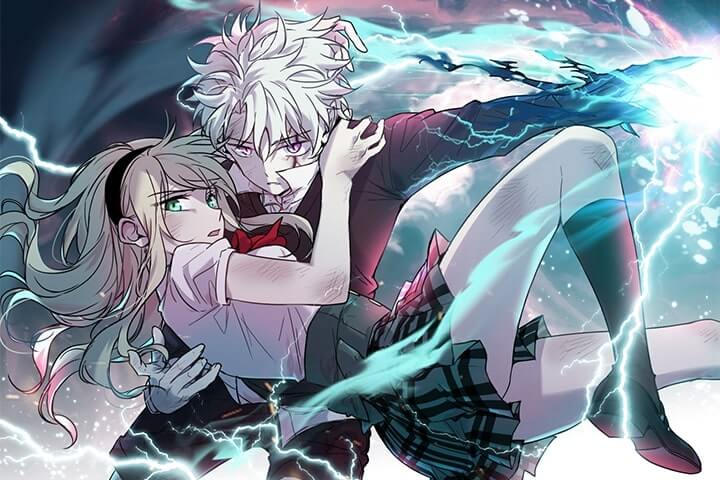 You meticulously craft your script, plan your panels, and hit ‘render’—only to find the impact just isn’t there. It’s a common roadblock for many aspiring webtoon creators. The missing piece isn’t always about drawing skill; it’s often about how you translate narrative intent into visual language.
💡 Sakon’s Top 3 Techniques for Impactful Webtoons
1. Master the Art of Panel Momentum
The secret to a compelling webtoon isn’t just in each individual panel, but in the flow between them. Sakon emphasizes understanding how to create a visual rhythm that pulls the reader through the story. It’s not just about learning a technique—it’s about shifting how you think about pacing and reader engagement. This involves carefully considering the size, shape, and composition of each panel to guide the eye and build anticipation or deliver a punchline effectively.
2. Strategic Use of 3D Assets for Speed and Precision
Webtoon artists face constant deadlines. Sakon reveals how leveraging 3D assets can be a game-changer for efficiency. Think of them as advanced reference models that provide accurate perspectives and lighting without requiring hours of manual setup. This allows you to focus more on the artistic execution and storytelling, rather than getting bogged down in repetitive background work or complex object rendering.
3. Color as a Narrative Tool: Beyond Aesthetics
Color is crucial in webtoons, far beyond simply making things look pretty. Sakon demonstrates how to use color palettes strategically to convey emotion, define mood, and enhance the drama of a scene. Understanding color theory in the context of sequential art allows you to evoke specific feelings in your readers, making your storytelling more potent and immersive. This means choosing colors that don’t just look good, but feel right for the narrative moment.
🛠️ Key Skills & Details That Define Professional Quality
Translating the principles above into tangible artwork involves mastering specific practical skills. For instance, when storyboarding, analyze the script for narrative beats and emotional cues. How can panel transitions amplify these? Consider the viewer’s reading path; use camera angles and character placement to direct their focus.
When it comes to rendering, understanding how light and shadow interact with your chosen color palette can dramatically enhance depth and atmosphere. Sakon’s approach highlights the importance of using tools not just as features, but as extensions of your narrative intent. This could involve specific brush settings for texture, layering techniques for atmospheric effects, or even subtle uses of visual effects (VFX) and sound effects (SFX) to punctuate key moments.
💬 Frequently Asked Questions
Q. How can a Webtoonartist analyze a script for effective paneling?
A. A Webtoonartist should look for action, dialogue, and emotional shifts within the script. Each of these can be a cue for a new panel or a change in panel composition. Consider the pacing – a rapid series of small panels can convey speed or chaos, while a single, large panel might emphasize a moment of realization or impact.
Q. What’s the most efficient way for a Webtoonartist to handle complex backgrounds?
A. For a Webtoonartist, incorporating 3D assets as a guide tool is highly recommended. They provide accurate perspective and lighting, significantly reducing the time spent on manual rendering. This frees up valuable time to focus on character work and narrative detail.
Q. How does a Webtoonartist use color to evoke specific emotions?
A. A Webtoonartist can utilize color theory by employing specific palettes. For instance, warm colors like reds and oranges can evoke passion or anger, while cool colors like blues and greens might suggest calmness or melancholy. The intensity and saturation of colors also play a role in their emotional impact.